
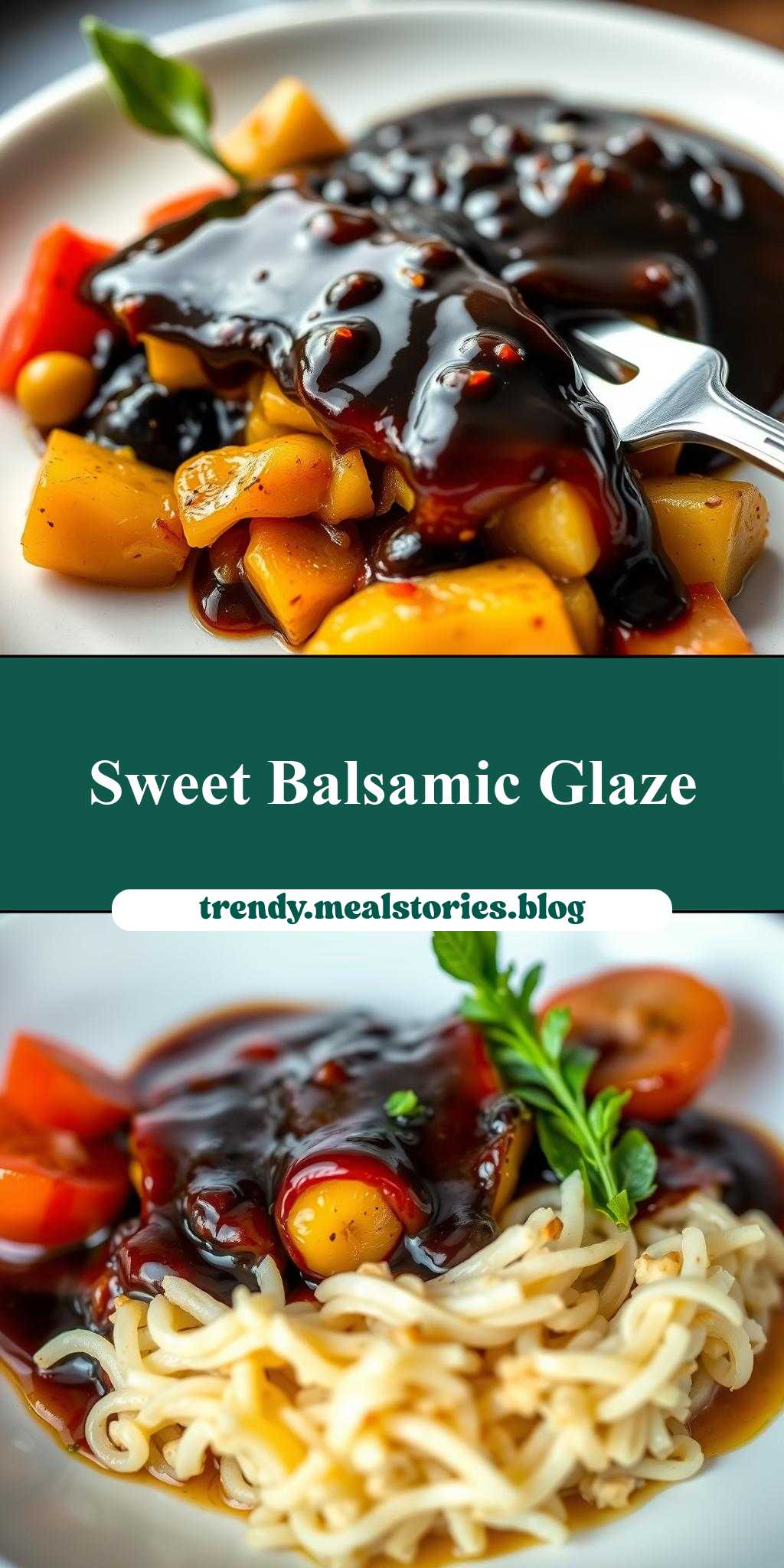
What makes a perfect balsamic glaze so irresistible? With just a few simple ingredients like rich balsamic vinegar and a bit of patience, you can create a quick and easy homemade glaze perfect for elevating weeknight dinners into family favorites. Save this idea for a delicious addition to your next meal.
Balsamic Glaze Recipe
Introduction
Imagine a rich, velvety sauce that elevates any dish from ordinary to extraordinary. Welcome to the world of balsamic glaze, a culinary treasure that’s surprisingly easy to make and incredibly versatile. With just a few everyday ingredients, you can create a flavor explosion that will leave your taste buds dancing. In this article, we’ll delve into the magic of balsamic glaze, exploring its simplicity, creativity, and the endless possibilities it offers. Whether you’re a seasoned chef or a curious beginner, get ready to unlock the secrets of this incredible condiment and take your cooking to the next level.
Why This Works
- Flavor balance and ingredient accessibility: The beauty of balsamic glaze lies in its perfect balance of sweet and tangy, achieved with readily available ingredients like balsamic vinegar, sugar, and water.
- Ease of preparation: This recipe requires minimal effort, as it primarily involves reducing balsamic vinegar to create a thick, syrupy glaze.
- Impressive results with minimal effort: Despite its simplicity, balsamic glaze adds a sophisticated touch to any dish, from salads and meats to cheeses and desserts, making it a perfect addition to your culinary repertoire.
Key Ingredients
The foundation of a great balsamic glaze is high-quality balsamic vinegar. Look for a vinegar that’s aged for at least 6 years to ensure a deep, rich flavor. You’ll also need some sugar to balance out the acidity and water to achieve the perfect consistency. For practical substitutions, you can experiment with different types of vinegar, like apple cider or white wine vinegar, though keep in mind that the flavor profile will vary significantly. Sugar can be substituted with honey or maple syrup for a slightly different twist, but balsamic vinegar is unique and hard to replace with another ingredient.
Instructions
- Step 1: Begin by measuring out 1 cup of balsamic vinegar and 1/2 cup of sugar. It’s essential to use a non-reactive pot, like stainless steel or enamel-coated cast iron, to prevent the vinegar from taking on unwanted flavors.
- Step 2: Combine the balsamic vinegar and sugar in your pot and place it over medium heat. Stir until the sugar dissolves, then bring the mixture to a boil. Reduce the heat to medium-low and let it simmer. The reduction process is crucial, as it concentrates the flavors and thickens the glaze. You’re aiming for a syrupy consistency that coats the back of a spoon.
- Step 3: As the glaze reduces, you’ll notice it thickening and turning into a rich, dark brown color. This process can take about 20-30 minutes, depending on your heat level and the desired consistency. Remember, patience is key, as rushing the process can result in a glaze that’s too thin or, conversely, too thick and caramelized.
- Step 4: Once your balsamic glaze has reached the perfect consistency, remove it from the heat and let it cool slightly. It will thicken further as it cools. Now, it’s ready to use. Drizzle it over your favorite dishes, from caprese salads and grilled meats to roasted vegetables and cheeses. The possibilities are endless, and the impact is always impressive.
Handy Tips
- Always use high-quality ingredients for the best flavor. Cheap balsamic vinegar can be too acidic and lack the depth you’re looking for.
- Don’t over-reduce the glaze, as it can become too thick and lose its velvety texture. It’s better to err on the side of caution and stop the reduction process when it still pours slowly but evenly.
- Experiment with flavor additions like garlic, herbs, or spices to create unique variations of your balsamic glaze. A clove of garlic minced and sautéed at the beginning can add a profound depth, while a sprig of fresh rosemary can introduce a fragrant, herbaceous note.
Heat Control
Heat control is crucial when making balsamic glaze. You want to simmer the mixture at a low to medium heat to prevent it from boiling over or reducing too quickly. Ideally, you’re looking for a gentle simmer that allows the flavors to meld together and the liquid to reduce slowly. This not only ensures the glaze reaches the perfect consistency but also preserves the delicate balance of flavors in the balsamic vinegar.
Crunch Factor
Balsamic glaze is all about achieving a smooth, velvety texture. The crunch factor comes into play when you decide to pair it with crunchy elements like toasted nuts, crispy prosciutto, or fresh greens. The contrast between the smooth glaze and the crunchy accompaniments elevates the dish, adding depth and interest to each bite. For example, drizzling balsamic glaze over a salad of mixed greens, cherry tomatoes, and croutons creates a delightful harmony of textures.
Pro Kitchen Tricks
- Use a thermometer to monitor the temperature of your glaze. The ideal temperature for reduction is between 160°F and 180°F, which helps in achieving the perfect consistency without overcooking.
- For a quicker reduction, you can use a wider pot to increase the surface area of the glaze. However, be cautious not to over-reduce, as the glaze can quickly go from perfect to too thick.
- Clean as you go to prevent the sticky glaze from hardening on your utensils and pots. A simple rinse with warm water can make cleanup much easier.
Storage Tips
- Store your balsamic glaze in an airtight container in the refrigerator. It can last for several months when stored properly.
- For longer storage, consider canning your balsamic glaze. This involves heating the glaze to a certain temperature and then sealing it in sterilized jars, which can be stored in a cool, dark place for up to a year.
- When reheating, do so gently to prevent the glaze from becoming too thin. A brief warming over low heat or a few seconds in the microwave should suffice.
Gift Packaging Ideas
Balsamic glaze makes a wonderful gift for any food enthusiast. Consider packaging it in decorative glass jars with a ribbon around the lid and a gift tag with serving suggestions. You can also pair it with complementary items like artisanal cheeses, crackers, or fresh fruits to create a thoughtful and indulgent gift basket. For a more rustic appeal, wrap the jar in a piece of cheesecloth or a vintage tea towel, tied with twine, and include a handwritten recipe card with ideas for using the glaze.
Flavor Variations
- Different spices: Introduce warmth with cinnamon, nutmeg, or cloves, especially good for winter dishes.
- Creative toppings: Add a sprinkle of sea salt, a drizzle of extra virgin olive oil, or some toasted sesame seeds for added depth and texture.
- Ingredient swaps: Replace sugar with honey for a slightly sweeter and more robust flavor profile. You can also experiment with different types of vinegar for unique flavor twists, though balsamic vinegar remains unparalleled in its rich, fruity flavor.
Troubleshooting
- Texture problems: If your glaze becomes too thick, you can thin it out with a little water. If it’s too thin, reduce it further over low heat.
- Ingredient replacements: While balsamic vinegar is irreplaceable, you can experiment with other vinegars for different flavors. However, the result will not be a traditional balsamic glaze.
- Over/undercooking signs: Overcooking results in a glaze that’s too thick and caramelized, with a slightly burnt flavor. Undercooking leaves the glaze too thin and lacking in depth. The perfect glaze is thick but still pours slowly and evenly.
FAQs
- Can I freeze it? Yes, you can freeze balsamic glaze. However, it’s best to freeze it in ice cube trays for easy thawing and use in specific amounts as needed.
- Is it gluten-free? Traditional balsamic glaze made with balsamic vinegar and sugar is gluten-free. However, always check the ingredients of your balsamic vinegar to ensure it hasn’t come into contact with gluten during processing.
- Can I double the recipe? Yes, you can easily double or triple the recipe if you need a larger quantity of balsamic glaze. Just keep an eye on the reduction process, as larger quantities may reduce at a slightly different rate.
Conclusion
Making balsamic glaze at home is a simple yet rewarding process that opens the door to a world of culinary possibilities. With its rich, velvety texture and deep, slightly sweet flavor, balsamic glaze is the perfect condiment to elevate your dishes from ordinary to extraordinary. Whether you’re a culinary novice or an experienced chef, this recipe is sure to become a staple in your kitchen. So, don’t hesitate to experiment, share, and adapt this recipe to your heart’s content. Happy cooking, and remember, the joy of cooking lies not just in the eating, but in the sharing and the love that goes into every dish.
Balsamic Glaze Recipe
A rich, velvety sauce made from reduced balsamic vinegar, perfect for elevating any dish with its deep, slightly sweet flavor.
🥘 Ingredients
👩🍳 Instructions
-
1Combine balsamic vinegar and sugar in a non-reactive pot.
-
2Bring the mixture to a boil, then reduce heat to medium-low and simmer.
-
3Reduce the glaze to the desired consistency, which can take about 20-30 minutes.
-
4Remove from heat, let cool slightly, and use immediately or store for later use.