
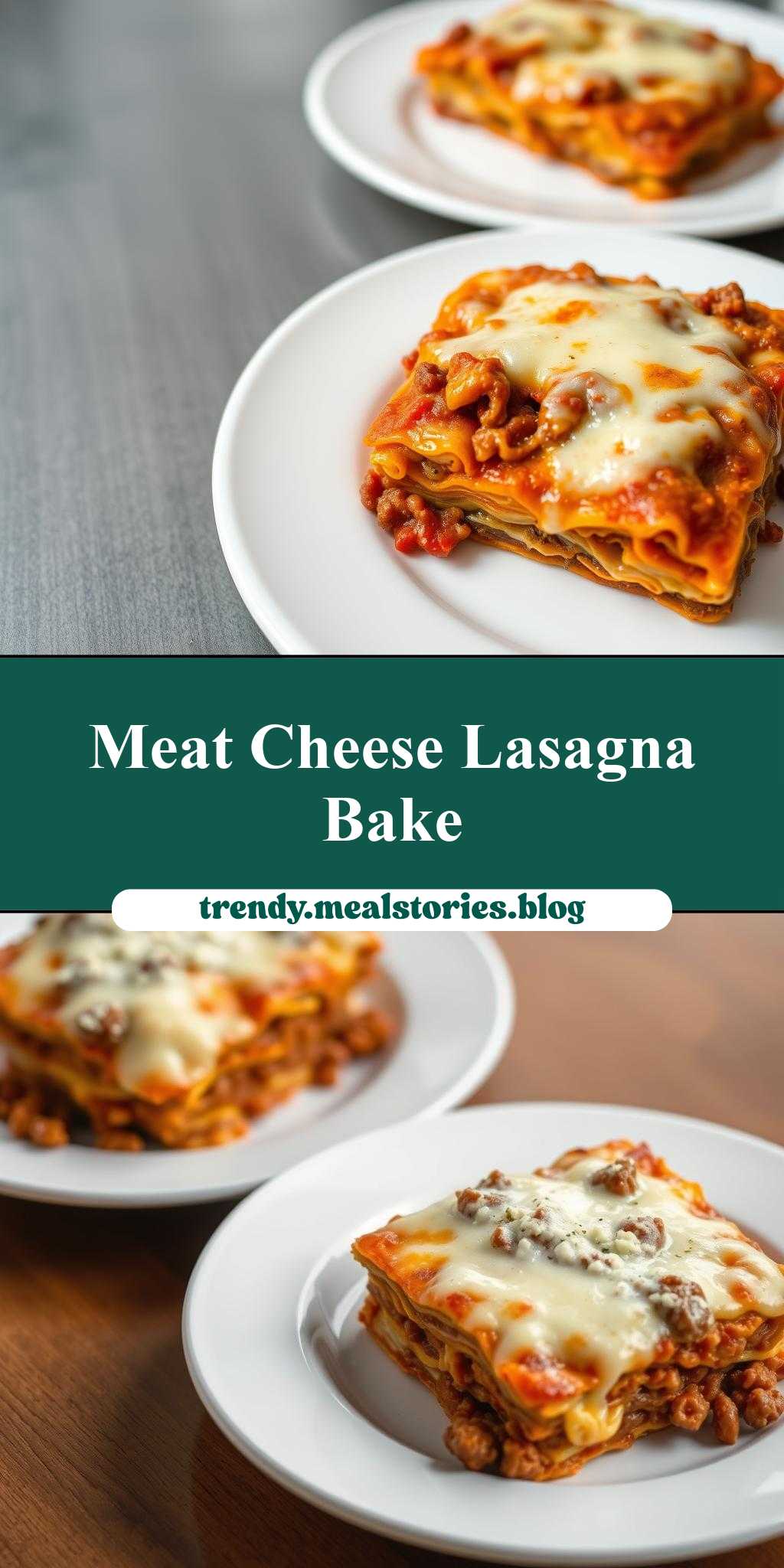
What makes a perfect weeknight dinner? A hearty homemade lasagna casserole loaded with ground beef and melted mozzarella cheese is my go-to easy solution for a satisfying family favorite, save this idea
two white plates topped with lasagna casserole covered in meat and cheese
Introduction
Imagine sitting down to a meal that is not only delicious but also visually stunning. Two white plates topped with lasagna casserole covered in meat and cheese are more than just a meal; they’re an experience. This dish combines the ease of preparation, the richness of flavors, and the creativity of using everyday ingredients to create something truly special. Whether you’re a seasoned chef or a beginner in the kitchen, this recipe is designed to impress with minimal effort, making it perfect for weeknight dinners or special occasions.
Why This Works
- Flavor balance and ingredient accessibility: The combination of ground meat, lasagna noodles, and a blend of cheeses creates a depth of flavor that is both satisfying and accessible. The ingredients are easy to find in most grocery stores, making this dish convenient for anyone to prepare.
- Ease of preparation: Despite its impressive presentation, this lasagna casserole is relatively simple to prepare. The steps are straightforward, and the ingredients are easy to work with, reducing the overall preparation and cooking time.
- Impressive results with minimal effort: The layers of pasta, meat sauce, and cheese create a visually appealing dish that looks like it took hours to prepare. However, with a few shortcuts and efficient cooking techniques, you can achieve this impressive result with much less effort.
Key Ingredients
The main ingredients in this lasagna casserole include ground beef or alternative ground meat for a vegetarian option, lasagna noodles, a variety of cheeses such as mozzarella, parmesan, and ricotta, and a mix of spices and herbs for added flavor. For the meat sauce, you’ll need canned tomatoes, onion, garlic, and olive oil. Practical substitutions can be made for some ingredients; for example, using ground turkey or pork instead of beef, or substituting some of the cheese with lower-fat alternatives. The flexibility in ingredients allows you to tailor the dish to your dietary preferences and ingredient availability.
Instructions
- Step 1: Begin by preheating your oven to 375°F (190°C). While the oven is heating up, cook the lasagna noodles according to the package instructions until they are al dente. Drain and set them aside. Chop the onion and garlic, and sauté them in olive oil until they are softened.
- Step 2: Add the ground meat to the pan with the onion and garlic, breaking it up with a spoon as it cooks. Once the meat is browned, add the canned tomatoes, salt, pepper, and any desired herbs or spices. Let the sauce simmer for at least 20 minutes, stirring occasionally, while you prepare the cheese mixture.
- Step 3: In a large bowl, combine the ricotta cheese, eggs, salt, and pepper. Mix well to combine. Now, it’s time to assemble the lasagna. In a 9×13 inch baking dish, spread a layer of the meat sauce on the bottom. Arrange 4 lasagna noodles on top of the sauce, followed by half of the ricotta cheese mixture, and half of the shredded mozzarella cheese. Repeat the layers, starting with the meat sauce, noodles, the remaining ricotta mixture, and finally the remaining mozzarella cheese on top.
- Step 4: Cover the baking dish with aluminum foil and bake for 30 minutes. Remove the foil and continue baking for an additional 10-15 minutes, or until the cheese is melted and bubbly. Let the lasagna rest for 10-15 minutes before slicing and serving. This allows the flavors to meld together and the cheese to set, making it easier to serve and enjoy.
Handy Tips
- To avoid the lasagna noodles sticking together, make sure to not overcrowd the pot when cooking them, and rinse them with cold water after draining to stop the cooking process.
- Using high-quality ingredients, especially the cheese and the ground meat, can elevate the flavor of the dish significantly.
- Don’t overmix the ricotta cheese mixture, as this can make it tough and dense. Instead, mix the ingredients just until they come together in a cohesive mixture.
Heat Control
The ideal temperature for baking the lasagna is 375°F (190°C). It’s crucial to preheat the oven to ensure even cooking. The baking time is approximately 40-45 minutes, with the first 30 minutes covered with foil to prevent the top from burning and to allow the flavors to meld together. After removing the foil, continue baking until the top is golden brown and the cheese is bubbly. Signs of doneness include the cheese being fully melted and the edges of the lasagna being lightly browned.
Crunch Factor
The crunch factor in this dish comes from the slightly browned top layer of cheese and the texture of the lasagna noodles. To achieve a crispy top, it’s essential to remove the foil for the last 10-15 minutes of baking. This allows the cheese to brown slightly, adding a nice textural element to the dish. The noodles, cooked al dente, provide a satisfying bite without being too hard or too soft.
Pro Kitchen Tricks
- To prevent the lasagna from becoming too watery, make sure to cook the meat sauce until it’s thick and rich, and don’t overcook the noodles, as they will continue to absorb moisture during baking.
- Letting the lasagna rest before serving is a pro trick that ensures the dish is easier to slice and serve. It also allows the flavors to meld together, making each bite more flavorful.
- For an extra crispy top, broil the lasagna for 1-2 minutes after baking. Keep a close eye to prevent burning. This step adds a nice golden brown color and a crunchy texture to the top layer of cheese.
Storage Tips
- Leftover lasagna can be stored in the refrigerator for up to 3 days. It’s best to store it in a covered, airtight container to prevent drying out.
- For reheating, place the desired portion in the oven at 350°F (175°C) covered with foil for about 20-25 minutes, or until heated through. You can also reheat it in the microwave, but be cautious of the cheese melting unevenly.
- Lasagna can be frozen for up to 3 months. It’s best to freeze it before baking, as this helps preserve the texture of the noodles and the cheese. When you’re ready to bake it, thaw it overnight in the refrigerator and then bake as instructed.
Gift Packaging Ideas
If you’re considering gifting this lasagna, a thoughtful presentation can make it an even more special gesture. Consider baking it in a disposable aluminum pan that can be easily wrapped in foil and decorated with a ribbon or a gift tag. Alternatively, you can portion it out into individual servings, wrap each in plastic wrap or aluminum foil, and place them in a gift basket along with some garlic bread or a green salad for a complete meal.
Flavor Variations
- Different spices: Adding a pinch of nutmeg or basil can give the lasagna a unique twist. For a spicy version, add some red pepper flakes to the meat sauce.
- Creative toppings: Consider adding some sautéed mushrooms, bell peppers, or olives to the top of the lasagna before baking for added flavor and texture.
- Ingredient swaps: For a vegetarian version, swap the ground meat with sautéed spinach and mushrooms, or use sliced eggplant as an additional layer.
Troubleshooting
- Texture problems: If the lasagna turns out too dry, it might be due to overcooking the noodles or the meat sauce being too thick. If it’s too wet, the noodles might have been overcooked, or too much sauce was used.
- Ingredient replacements: If you’re missing an ingredient, consider what its role is in the dish. For example, if you don’t have ricotta cheese, you could substitute it with a mixture of cottage cheese and eggs, or even use bechamel sauce as a replacement in some cases.
- Over/undercooking signs: Keep an eye on the lasagna while it’s baking. If the top starts to brown too quickly, cover it with foil to prevent burning. If the cheese isn’t melted and bubbly after the recommended baking time, give it a few more minutes, checking frequently to avoid overcooking.
FAQs
- Can I freeze it? Yes, lasagna can be frozen for up to 3 months. It’s best to freeze it before baking.
- Is it gluten-free? Traditional lasagna noodles contain gluten, but there are gluten-free alternatives available. Be sure to check the ingredients of the cheese and the meat sauce as well for any gluten content.
- Can I double the recipe? Yes, you can easily double or triple the recipe if you’re feeding a larger crowd. Just be sure to use a larger baking dish and adjust the baking time accordingly.
Conclusion
Creating a delicious lasagna casserole covered in meat and cheese is a rewarding culinary experience that combines ease of preparation, rich flavors, and impressive presentation. With a few simple steps and some handy tips, you can achieve a dish that’s sure to please both family and friends. Don’t be afraid to experiment with different ingredients and flavor variations to make the recipe your own. Whether you’re a culinary novice or an experienced chef, this lasagna recipe is a versatile and satisfying choice for any meal.
two white plates topped with lasagna casserole covered in meat and cheese
A classic Italian dish made with layers of pasta, rich meat sauce, and a blend of cheeses, perfect for weeknight dinners or special occasions.
🥘 Ingredients
👩🍳 Instructions
-
1Preheat the oven to 375°F (190°C).
-
2Cook the lasagna noodles according to the package instructions. Drain and set aside.
-
3In a large skillet, cook the ground beef over medium-high heat until browned, breaking it up into small pieces as it cooks.
-
4Add the chopped onion and minced garlic to the skillet and cook until the onion is translucent.
-
5Stir in the marinara sauce, salt, and pepper. Bring the sauce to a simmer and let cook for a few minutes until heated through.
-
6In a large bowl, combine the ricotta cheese, egg, salt, and pepper. Mix well to combine.
-
7Spread a layer of the meat sauce in the bottom of a 9x13 inch baking dish. Arrange 4 lasagna noodles on top of the sauce.
-
8Spread half of the ricotta cheese mixture over the noodles, followed by half of the shredded mozzarella cheese.
-
9Repeat the layers, starting with the meat sauce, noodles, the remaining ricotta mixture, and finally the remaining mozzarella cheese on top.
-
10Cover the baking dish with aluminum foil and bake for 30 minutes. Remove the foil and continue baking for an additional 10-15 minutes, or until the cheese is melted and bubbly.
-
11Let the lasagna rest for 10-15 minutes before slicing and serving. Enjoy!