
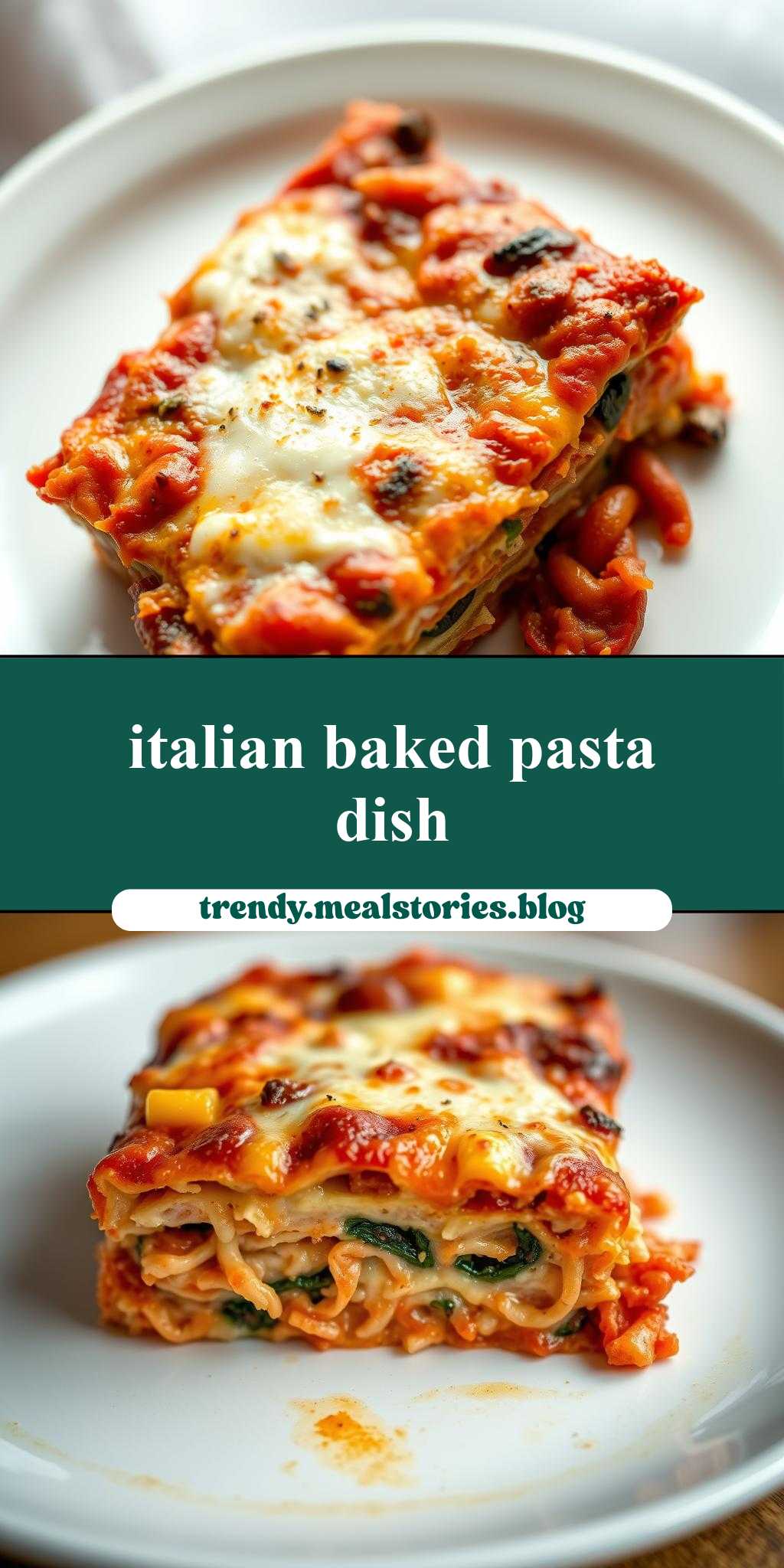
What if you could combine the best of pizza and lasagna in one dish? Introducing Pizzagna, a quick and easy homemade weeknight dinner featuring tender pasta, rich tomato sauce, and melted mozzarella cheese. Save this idea for a family favorite meal that is sure to please, try it soon and enjoy the flavors of Italy in every bite, pin for later.
Pizzagna – 2023
Introduction
Welcome to the ultimate comfort food recipe of the year: Pizzagna – 2023. Imagine a dish that combines the best of pizza and lasagna, with layers of flavorful sauce, gooey melted cheese, and various textures that will leave you and your family craving for more. This innovative recipe is not only easy to make but also highly customizable, allowing you to get creative with your favorite ingredients. Whether you’re a seasoned chef or a beginner in the kitchen, Pizzagna – 2023 is the perfect dish to impress your loved ones and satisfy your taste buds.
Why This Works
- Flavor balance and ingredient accessibility: The combination of traditional pizza and lasagna flavors with easily accessible ingredients makes this dish a winner. You can find all the necessary components in your local grocery store, and the flavor profile is both familiar and exciting.
- Ease of preparation: Despite its impressive appearance, Pizzagna – 2023 is surprisingly simple to prepare. The steps are straightforward, and you can have the dish ready in under an hour, making it perfect for busy weeknights or special occasions.
- Impressive results with minimal effort: The layering technique and the combination of textures and flavors create a visually stunning dish that’s sure to impress your guests. With minimal effort, you can achieve a restaurant-quality meal that will leave everyone wanting more.
Key Ingredients
The main ingredients for Pizzagna – 2023 include ground beef or sausage for the meat lovers, pizza sauce, lasagna noodles, ricotta cheese, shredded mozzarella, and a blend of parmesan and cheddar cheese for the ultimate cheesy experience. Feel free to customize with your favorite toppings, such as bell peppers, onions, mushrooms, or olives. For a vegetarian or vegan version, you can substitute the meat with roasted vegetables or tofu and use vegan cheese alternatives. The beauty of this recipe lies in its versatility, allowing you to experiment and find your perfect combination.
Instructions
- Step 1: Begin by preheating your oven to 375°F (190°C). While the oven is warming up, cook your lasagna noodles according to the package instructions until they’re al dente. Drain and set them aside. If using ground beef or sausage, cook it in a pan until browned, breaking it into small pieces as it cooks. Add your pizza sauce to the meat and stir well to combine.
- Step 2: In a large bowl, mix the ricotta cheese with a pinch of salt, pepper, and any desired herbs (such as basil or oregano). This will be the creamy layer that balances out the savory flavors of the dish. In a separate pan, sauté any desired vegetables (like mushrooms, bell peppers, or onions) until they’re tender and lightly browned.
- Step 3: It’s time to build your Pizzagna. Start with a layer of the meat sauce in the bottom of a 9×13-inch baking dish. Arrange 4 lasagna noodles on top of the sauce. Spread half of the ricotta cheese mixture over the noodles, followed by half of the shredded mozzarella cheese. Add any sautéed vegetables or other toppings you like at this stage. Repeat the layers, starting with the meat sauce, noodles, the remaining ricotta cheese mixture, and finally the remaining mozzarella cheese. Top it all off with a blend of parmesan and cheddar cheese for an extra burst of flavor.
- Step 4: Cover the baking dish with aluminum foil and bake for 30 minutes. Remove the foil and continue baking for an additional 10-15 minutes, or until the cheese is melted and bubbly. Remove the Pizzagna from the oven and let it rest for a few minutes before slicing and serving. You can garnish with fresh basil leaves or a sprinkle of parmesan cheese for a pop of color and extra flavor.
Handy Tips
- To avoid a soggy bottom, make sure your lasagna noodles are not overcooked, and consider adding a thin layer of sauce or cheese to the bottom of the baking dish before adding the noodles.
- For an extra crispy top, broil the Pizzagna for 2-3 minutes after removing the foil. Keep an eye on it to prevent burning.
- Experiment with different types of cheese and toppings to make the recipe your own. Some combinations to try include pepperoni and mushroom, olives and artichokes, or a meatless version loaded with roasted vegetables.
Heat Control
When baking the Pizzagna, it’s crucial to maintain the right temperature to ensure the cheese melts perfectly and the flavors meld together. The ideal temperature is 375°F (190°C), and the baking time should be around 40-45 minutes in total. You’ll know it’s done when the cheese is bubbly and slightly browned on top. If you’re using a convection oven, you might need to adjust the time and temperature slightly, so keep an eye on your dish towards the end of the cooking time.
Crunch Factor
Achieving the right texture is key to a satisfying Pizzagna. The bottom layer should be firm but not hard, the middle should be creamy and cheesy, and the top should be crispy and golden. To enhance the crunch factor, you can add some crunchy elements on top, such as toasted breadcrumbs, chopped nuts, or even a sprinkle of crispy bacon bits. The contrast in textures will elevate the dish and make it more engaging to eat.
Pro Kitchen Tricks
- Use high-quality ingredients: While it might be tempting to go for the cheaper options, using good-quality cheese, fresh herbs, and flavorful sauce will make a significant difference in the taste and overall experience of your Pizzagna.
- Don’t overmix: When combining the ricotta cheese with herbs or spices, mix just until the ingredients are incorporated. Overmixing can lead to a tough, dense cheese layer that’s not pleasant to eat.
- Let it rest: After baking, allow the Pizzagna to rest for at least 10-15 minutes before serving. This will help the flavors to settle, and the cheese to set, making it easier to slice and serve.
Storage Tips
- Leftovers can be stored in the refrigerator for up to 3 days. Simply cover the baking dish with plastic wrap or aluminum foil and refrigerate. Reheat in the oven or microwave until warmed through.
- For longer storage, consider freezing the Pizzagna before baking. Assemble the dish up to the point of baking, then cover it tightly with plastic wrap or aluminum foil and freeze. When you’re ready to eat it, thaw overnight in the refrigerator and bake as instructed.
- When reheating, make sure the Pizzagna is heated through to an internal temperature of at least 165°F (74°C) to ensure food safety.
Gift Packaging Ideas
If you’re looking to share your Pizzagna with friends or family as a gift, consider packaging it in a decorative baking dish or a sturdy, microwave-safe container. You can add a personal touch with a handwritten note or a small bag of garlic bread mix on the side. For a more rustic appeal, wrap the dish in a checkered tablecloth or a piece of vintage-inspired kitchen towel, secured with twine or a ribbon. This thoughtful presentation will make your gift even more special and appreciated.
Flavor Variations
- Different spices: Experiment with various spice blends, such as Italian seasoning, oregano, basil, or red pepper flakes, to give your Pizzagna a unique twist.
- Creative toppings: Go beyond the classic pepperoni and mushroom by trying out other toppings like artichokes, sun-dried tomatoes, roasted bell peppers, or even pineapple for a Hawaiian-inspired version.
- Ingredient swaps: Substitute ground beef with ground turkey, chicken, or pork for a different flavor profile. You can also use vegan sausage or tofu for a meatless option.
Troubleshooting
- Texture problems: If your Pizzagna turns out too soggy, it might be due to overcooking the noodles or using too much sauce. Conversely, if it’s too dry, you might not have used enough cheese or sauce. Adjust these elements in your next batch to find the perfect balance.
- Ingredient replacements: If you’re missing an ingredient, don’t be afraid to substitute it with something similar. For example, you can use cottage cheese instead of ricotta or mozzarella as a substitute for parmesan.
- Over/undercooking signs: Keep an eye on your Pizzagna while it’s baking. If the top is getting too brown, cover it with foil to prevent burning. If the cheese isn’t melted and bubbly after the recommended baking time, give it a few more minutes and check again.
FAQs
- Can I freeze it? Yes, you can freeze Pizzagna before or after baking. If freezing before baking, assemble the dish, cover it tightly, and freeze. If freezing after baking, let it cool completely, then cover and freeze. Reheat thawed or frozen Pizzagna in the oven until warmed through.
- Is it gluten-free? Traditional Pizzagna is not gluten-free due to the lasagna noodles. However, you can make a gluten-free version by using gluten-free noodles or substituting with zucchini noodles or portobello mushroom caps for a low-carb option.
- Can I double the recipe? Absolutely! Simply multiply all the ingredients by two and use a larger baking dish. You might need to adjust the baking time slightly, so keep an eye on it to ensure the cheese is melted and bubbly.
Conclusion
Pizzagna – 2023 is more than just a recipe; it’s an experience waiting to happen. With its layers of flavor, customizable ingredients, and impressive presentation, it’s the perfect dish for any occasion. Whether you’re a foodie looking for a new challenge, a busy parent seeking a quick and satisfying meal, or simply someone who loves good food and good company, Pizzagna – 2023 is sure to become a favorite. So go ahead, get creative, and make this recipe your own. Share your experiences, tips, and variations in the comments below, and let’s enjoy this culinary journey together!