
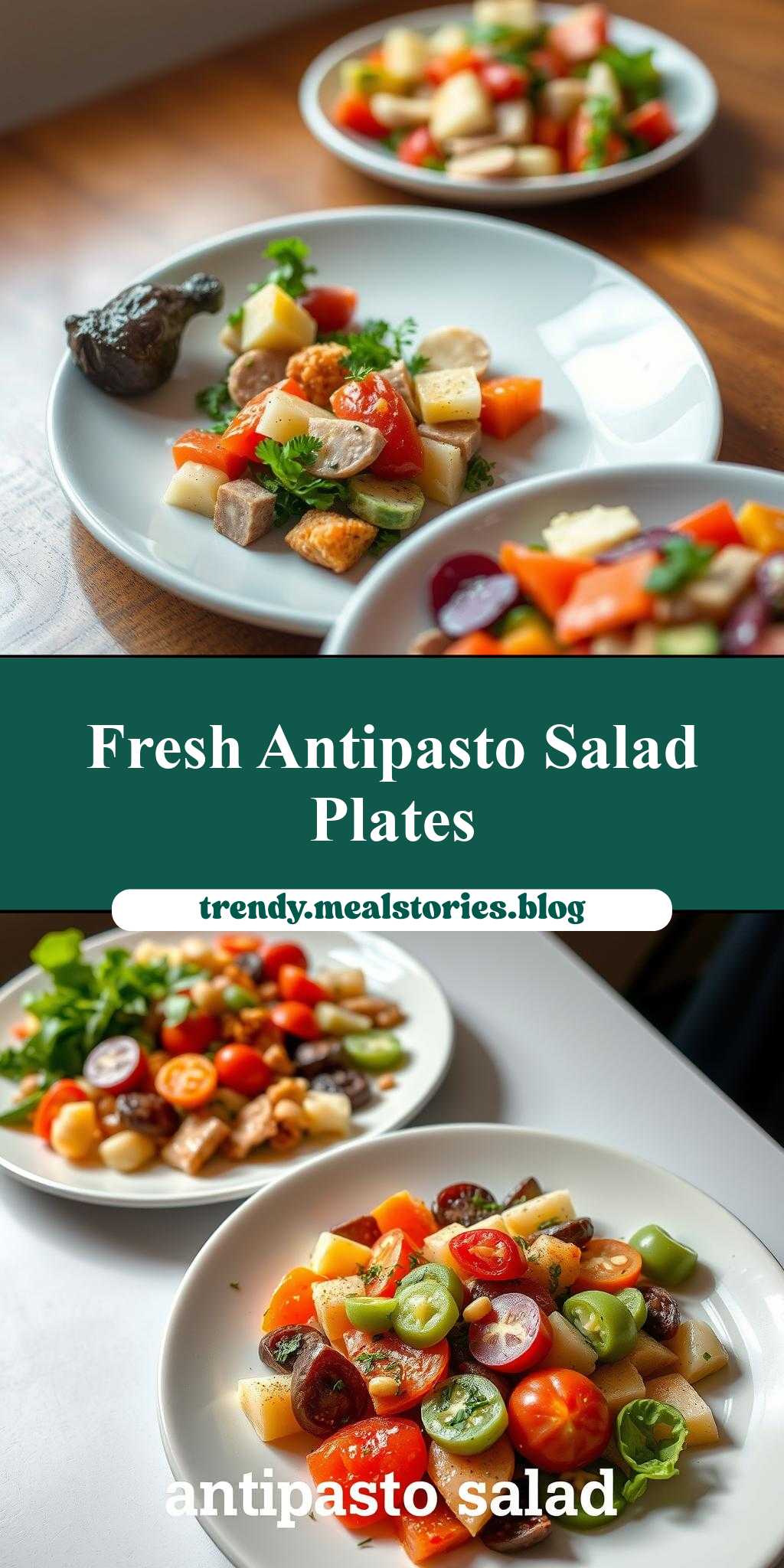
What makes the perfect antipasto salad? A mix of cured meats, fresh veggies, and homemade Italian dressing on a weeknight dinner table is a family favorite. Save this easy idea for a quick dinner solution, featuring salami and mozzarella, and try it soon.
two plates with different types of food on them and the words antipasto salad below
Introduction
Imagine a dish that is not only a feast for the eyes but also a harmonious blend of flavors and textures, all coming together in perfect balance. Welcome to the world of antipasto salad, where the creativity knows no bounds, and the ease of preparation will make you wonder how you ever lived without it. This recipe is all about embracing the beauty of everyday ingredients and turning them into a masterpiece that will impress your family and friends alike. With its rich flavors, vibrant colors, and the freedom to customize, this antipasto salad is the perfect choice for any occasion, whether you’re looking for a quick lunch, a satisfying dinner, or a dish to shine at your next gathering.
Why This Works
- Flavor balance and ingredient accessibility: The key to a great antipasto salad lies in its ability to balance a variety of flavors and textures, making it appealing to a wide range of tastes. Moreover, the ingredients are easily accessible, allowing you to create this masterpiece without having to search for exotic components.
- Ease of preparation: One of the most significant advantages of this recipe is its simplicity. With straightforward steps and minimal cooking involved, you can have your antipasto salad ready in no time, perfect for those busy days when time is of the essence.
- Impressive results with minimal effort: Despite its ease of preparation, the antipasto salad presents impressively, making it an ideal choice for special occasions or when you want to make a good impression without spending hours in the kitchen.
Key Ingredients
The beauty of an antipasto salad lies in its versatility, allowing you to choose from a wide array of ingredients to suit your taste preferences. The main components typically include a variety of cured meats (such as salami, prosciutto, and ham), cheeses (like mozzarella, parmesan, and gorgonzola), vegetables (cherry tomatoes, bell peppers, onions, and olives), and sometimes fruits (grapes or berries). For the base, mixed greens or arugula provide a fresh and peppery start. Practical substitutions can be made based on what’s available and in season, allowing you to experiment and find your favorite combinations. For example, if you can’t find prosciutto, you can substitute it with serrano ham for a similar salty, savory flavor.
Instructions
- Step 1: Begin by preparing your ingredients. Chop the cured meats into bite-sized pieces, slice the cheeses, halve the cherry tomatoes, slice the bell peppers and onions, and pit the olives. This prep work will make assembling your salad a breeze.
- Step 2: In a large bowl, create a bed of mixed greens. This will be the base of your salad, providing a fresh contrast to the richness of the meats and cheeses.
- Step 3: Start layering your ingredients on top of the greens. You can create a pattern with the meats, cheeses, and vegetables, or simply scatter them across the top. The key is to have fun and make it visually appealing.
- Step 4: Final touches involve adding any last-minute ingredients, such as a drizzle of your favorite dressing or a sprinkle of parmesan cheese. Then, it’s time to serve and enjoy the fruits of your labor.
Handy Tips
- One of the most helpful kitchen advice for making an antipasto salad is to not overdo it. Sometimes, less is more. Allow each ingredient to shine by not overcrowding the dish. Also, consider the colors and textures you’re adding to ensure a balanced and appealing salad.
- For substitutions, think about the flavor profile you’re aiming for. For example, if you’re looking for a salty element but don’t have olives, capers could be a great alternative.
- Avoid over-dressing the salad. The ingredients in an antipasto salad are flavorful on their own, so a light hand with the dressing is best to prevent overwhelming the other flavors.
Heat Control
Since the antipasto salad primarily consists of cold ingredients, heat control is not a significant factor in its preparation. However, if you choose to include grilled or roasted elements (such as bell peppers or zucchini), ensure they are cooked to the right doneness. For grilled items, a slight char on the outside while remaining tender inside is ideal. For roasted vegetables, they should be tender when pierced with a fork.
Crunch Factor
Achieving the right crunch factor in your antipasto salad can elevate it from good to great. This can be accomplished by including a variety of textures, such as the crunch of fresh vegetables, the crispness of greens, and the satisfying chew of cured meats. To add an extra layer of crunch, consider topping your salad with toasted nuts or seeds, which not only add texture but also a nutty flavor that complements the other ingredients beautifully.
Pro Kitchen Tricks
- One expert tip for better results is to let the flavors meld together for about 30 minutes before serving. This allows the different components of the salad to integrate their flavors, resulting in a more harmonious taste experience.
- A shortcut to making your antipasto salad more impressive is to use a variety of shapes and colors. Cut your ingredients in different ways (slices, wedges, cubes) and choose items that will add pops of color to your dish.
- For cleanup hacks, prepare your ingredients in a way that minimizes waste and mess. For example, chop all your vegetables at once and store them in separate containers until you’re ready to assemble the salad.
Storage Tips
- Leftover storage: If you have leftovers, store them in an airtight container in the refrigerator. It’s best to keep the dressing separate to prevent the greens from getting soggy.
- Reheating tips: Since this is a cold salad, reheating is not necessary. However, if you’ve included warm elements, let them cool completely before storing to prevent moisture buildup.
- Shelf life: The salad is best consumed within a day or two of preparation. Beyond this, the freshness and crunch of the ingredients may begin to degrade.
- Best containers: Use glass or plastic containers with lids for storing leftovers. Avoid metal as it can react with the acidity in some ingredients.
Gift Packaging Ideas
If you’re considering gifting your antipasto salad, presentation is key. One beautiful way to package it is in a large, decorative bowl or platter, covered with plastic wrap or aluminum foil. Alternatively, you can portion it out into individual jars or containers, which not only makes it easier to transport but also adds a charming, homemade touch. Finish it off with a ribbon around the jar or a gift tag with the ingredients listed, and you have a thoughtful, edible gift that’s sure to delight.
Flavor Variations
- Different spices: Consider adding a pinch of red pepper flakes for a spicy kick or some dried oregano for an herby note.
- Creative toppings: Add some toasted pine nuts or shaved parmesan for added depth and texture.
- Ingredient swaps: Swap out the salami for pepperoni or the mozzarella for feta to change up the flavor profile.
Troubleshooting
- Texture problems: If your salad ends up too soggy, it might be due to over-dressing or using ingredients that are past their prime. Try to balance the wet and dry ingredients better next time.
- Ingredient replacements: If you can’t find a specific ingredient, don’t be afraid to substitute. The key is to maintain the balance of flavors and textures.
- Over/undercooking signs: Since most of the salad is uncooked, the risk of overcooking is minimal. However, if you’re including cooked elements, ensure they’re cooked through but still retain some crunch or moisture, depending on the ingredient.
FAQs
- Can I freeze it? It’s not recommended to freeze an antipasto salad as the textures and flavors will suffer. However, you can prepare some components ahead of time, like chopping vegetables, and store them in the fridge until you’re ready to assemble the salad.
- Is it gluten-free? Depending on the ingredients you choose, an antipasto salad can be gluten-free. Be mindful of the meats and cheeses you select, and opt for gluten-free dressings.
- Can I double the recipe? Absolutely, this recipe can be easily doubled or even tripled if you’re serving a larger crowd. Just ensure you have a large enough bowl or platter to accommodate all the ingredients beautifully.
Conclusion
In conclusion, the antipasto salad is a versatile, flavorful, and visually stunning dish that can be adapted to suit any taste or occasion. With its ease of preparation, impressive presentation, and the freedom to customize, it’s a recipe that will become a staple in your kitchen. Don’t be afraid to experiment with different ingredients and flavors to make it your own, and remember, the key to a great antipasto salad is balance and harmony among its components. Whether you’re a seasoned chef or a beginner in the kitchen, this recipe is sure to delight, so go ahead, give it a try, and enjoy the process of creating something truly special.
two plates with different types of food on them and the words antipasto salad below
A colorful and flavorful antipasto salad made with cured meats, cheeses, vegetables, and mixed greens, perfect for any occasion.
🥘 Ingredients
👩🍳 Instructions
-
1Chop all the ingredients according to the recipe.
-
2Layer the ingredients in a large bowl, starting with the mixed greens.
-
3Add the sliced meats, cheeses, vegetables, and olives on top of the greens.
-
4Drizzle with your favorite dressing and serve immediately.