
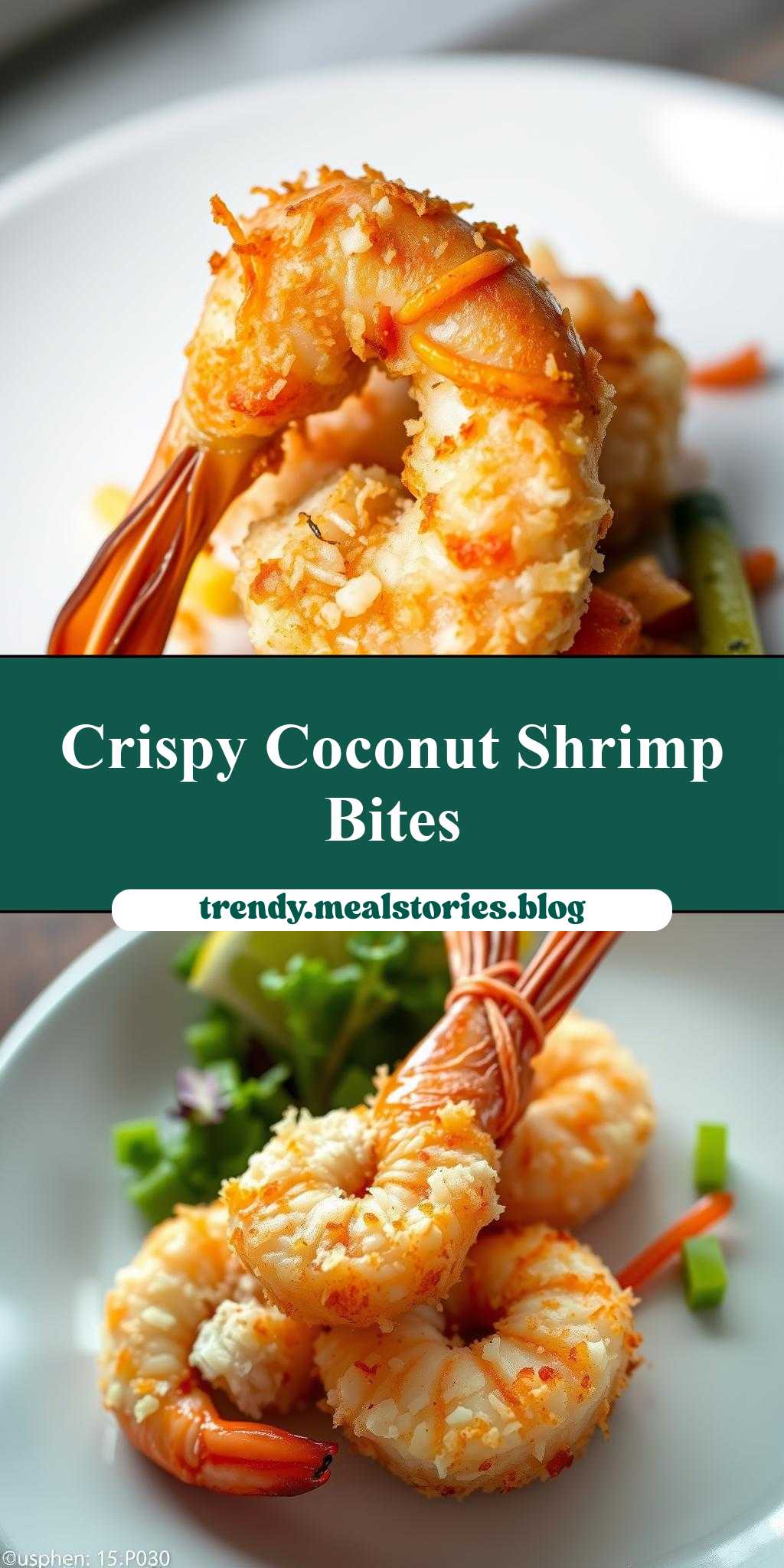
What makes a perfect appetizer or weeknight dinner? This coconut shrimp recipe is a game changer with its quick and easy preparation, featuring succulent shrimp coated in toasted coconut flakes, perfect for a homemade family favorite, save this idea for your next easy dinner inspiration
Coconut Shrimp
Introduction
Imagine a dish that’s as easy to make as it is impressive to serve, combining the sweetness of coconut with the succulence of shrimp. Coconut shrimp is a culinary masterpiece that achieves this perfect balance, using everyday ingredients to create a flavor and texture experience that’s both exotic and approachable. This recipe is a testament to the creativity that can be unleashed in the kitchen with minimal effort, making it an ideal choice for both novice cooks and seasoned chefs looking to wow their guests without breaking a sweat.
Why This Works
- Flavor balance and ingredient accessibility: The combination of coconut flakes, shrimp, and a hint of spice creates a harmonious balance of flavors that is both familiar and exciting. Moreover, the ingredients are readily available in most supermarkets, making this dish accessible to anyone.
- Ease of preparation: The steps involved in preparing coconut shrimp are straightforward and simple, requiring minimal cooking skills. This makes it an excellent option for those looking for a quick and impressive meal.
- Impressive results with minimal effort: Despite its simplicity, coconut shrimp presents beautifully and tastes divine, making it perfect for special occasions or as a unique appetizer for gatherings.
Key Ingredients
The main ingredients for coconut shrimp include large shrimp, coconut flakes, panko breadcrumbs, eggs, olive oil, salt, and pepper. For added flavor, you can also use garlic powder, onion powder, and paprika. Practical substitutions include using coconut milk for an extra creamy sauce or almond flour for a gluten-free coating option. The beauty of this recipe lies in its flexibility, allowing you to experiment with different seasonings and coatings to suit your taste preferences.
Instructions
- Step 1: Begin by preparing your shrimp. Peel and de-vein the shrimp, then set them aside. In a shallow dish, mix together the coconut flakes and panko breadcrumbs. In another dish, beat the eggs until they’re well-mixed. In a third dish, mix any additional seasonings you’re using with a bit of salt and pepper.
- Step 2: Dip each shrimp into the egg mixture, coating it completely, then roll it in the coconut-panko mixture to coat. Place the coated shrimp on a plate or tray. Repeat this process with the remaining shrimp.
- Step 3: Heat about 1/2 inch of olive oil in a large skillet over medium-high heat. When the oil is hot, add a few of the coconut-coated shrimp to the skillet (do not overcrowd). Cook for about 2-3 minutes on each side, until the shrimp are golden brown and cooked through. Repeat with the remaining shrimp.
- Step 4: Once the shrimp are cooked, remove them from the oil and place them on a paper towel-lined plate to drain any excess oil. Serve the coconut shrimp hot with your favorite dipping sauce, such as a sweet chili sauce or a tangy mango salsa.
Handy Tips
- For an extra crispy coating, you can chill the coated shrimp in the refrigerator for 30 minutes before frying. This helps the coating adhere better to the shrimp.
- Be careful not to overcook the shrimp. They should be cooked until they just turn pink and are no longer translucent. Overcooking can make them tough and rubbery.
- Experiment with different types of oil for frying, such as avocado oil or grapeseed oil, which have higher smoke points and can provide a lighter taste.
Heat Control
When frying the coconut shrimp, it’s crucial to maintain the right temperature. The ideal temperature for frying is between 350°F and 375°F. If the oil is too hot, the coating will burn before the shrimp is fully cooked. On the other hand, if the oil is not hot enough, the coating will absorb too much oil and become greasy. Use a thermometer to monitor the temperature, and adjust the heat as necessary.
Crunch Factor
The crunch factor in coconut shrimp comes from the coconut flakes and panko breadcrumbs. To achieve the perfect crunch, make sure the coconut and breadcrumb mixture is evenly coated on the shrimp, and fry the shrimp at the right temperature. You can also add a bit of cornstarch to the coconut-panko mixture for an extra crispy coating.
Pro Kitchen Tricks
- For less mess and easier cleanup, line your workspace with parchment paper before starting to coat the shrimp.
- Use a deep frying thermometer to ensure the oil reaches the perfect frying temperature, and maintain that temperature throughout the frying process.
- Don’t overcrowd the skillet. Fry the shrimp in batches if necessary, to ensure each piece has enough room to cook evenly.
Storage Tips
- Leftover coconut shrimp can be stored in an airtight container in the refrigerator for up to 2 days. Reheat them in the oven at 350°F for a few minutes until warmed through.
- For longer storage, you can freeze the coated but unfried shrimp on a baking sheet, then transfer them to a freezer-safe bag or container for up to 3 months. Fry them frozen, adding a bit more time to the cooking process.
- Use airtight containers to keep the shrimp fresh and prevent the coconut coating from becoming soggy.
Gift Packaging Ideas
If you’re considering gifting coconut shrimp, you can package them in decorative tins or jars, lined with parchment paper or wax paper to keep them fresh. Add a ribbon around the lid and include a small bottle of your favorite dipping sauce for a complete gift. You can also include a recipe card with suggestions for variations and serving ideas.
Flavor Variations
- Different spices: Try adding cayenne pepper for a spicy kick, or smoked paprika for a smoky flavor.
- Creative toppings: Serve the coconut shrimp with a variety of toppings such as diced mango, chopped cilantro, or toasted coconut flakes.
- Ingredient swaps: Use chicken strips or tofu for a vegetarian option, and adjust the cooking time accordingly.
Troubleshooting
- Texture problems: If the coating is too thick, it might not cook evenly. Try to achieve a balanced coating that sticks well to the shrimp but isn’t overly thick.
- Ingredient replacements: If you can’t find panko breadcrumbs, regular breadcrumbs can be used as a substitute, though the texture might be slightly different.
- Over/undercooking signs: Shrimp are done when they turn pink and are no longer translucent. If they’re undercooked, they’ll be soft and squishy; if overcooked, they’ll be hard and rubbery.
FAQs
- Can I freeze it? Yes, you can freeze the coated but unfried shrimp for up to 3 months. Fry them frozen when you’re ready.
- Is it gluten-free? The recipe can be made gluten-free by substituting the panko breadcrumbs with gluten-free breadcrumbs or almond flour.
- Can I double the recipe? Yes, you can easily double or triple the recipe to serve a larger crowd. Just be sure to fry the shrimp in batches to avoid overcrowding the skillet.
Conclusion
Coconut shrimp is a versatile and delicious dish that can elevate any meal or gathering. With its unique blend of flavors and textures, it’s sure to impress your guests and leave them wanting more. Don’t be afraid to experiment with different seasonings and ingredients to make the recipe your own, and enjoy the process of creating something truly special. Whether you’re a seasoned chef or just starting out in the kitchen, coconut shrimp is a recipe that’s sure to become a favorite.
Coconut Shrimp
A delicious and easy-to-make dish combining the sweetness of coconut with the succulence of shrimp, perfect for any occasion.
🥘 Ingredients
👩🍳 Instructions
-
1Prepare the shrimp by peeling and de-veining them, then set aside.
-
2Mix together the coconut flakes and panko breadcrumbs in a shallow dish.
-
3Beat the eggs in another dish until well-mixed.
-
4Dip each shrimp into the egg mixture, then coat in the coconut-panko mixture, placing the coated shrimp on a plate or tray.
-
5Heat about 1/2 inch of olive oil in a large skillet over medium-high heat and fry the coated shrimp until golden brown and cooked through, about 2-3 minutes per side.
-
6Serve the coconut shrimp hot with your favorite dipping sauce.