
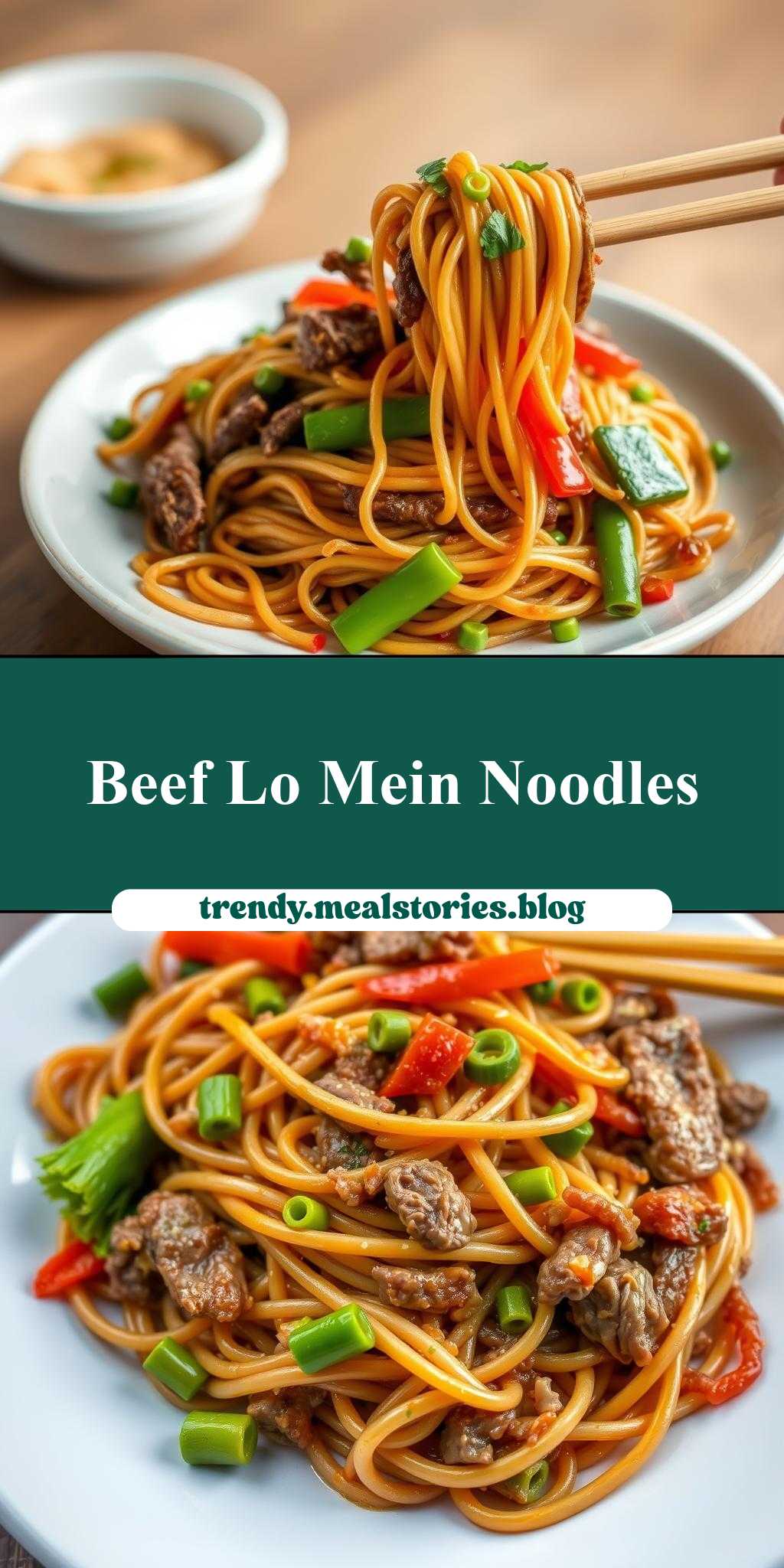
What makes a perfect weeknight dinner? A homemade beef lo mein dish that’s quick, easy, and packed with savory flavors from tender beef and stir-fried vegetables. Try this family favorite recipe using your favorite noodles and save this idea for a delicious homemade meal to enjoy anytime, pin for later
Homemade Beef Lo Mein
Introduction
Imagine a dish that is not only a staple of Chinese cuisine but also a versatile and flavorful meal that can be easily made at home. Homemade Beef Lo Mein is a perfect blend of tender beef, crisp vegetables, and savory sauce, all combined with soft, slightly chewy noodles. This recipe is designed to be easy to follow, using everyday ingredients that are readily available in most supermarkets. The beauty of making Lo Mein at home lies in its customization – you can choose your favorite vegetables, adjust the level of spiciness, and even substitute the beef with other proteins like chicken or tofu. Whether you’re a seasoned cook or a beginner in the kitchen, this recipe is sure to delight with its ease, flavor, and creativity.
Why This Works
- Flavor balance and ingredient accessibility: The combination of soy sauce, oyster sauce (optional), and sesame oil provides a deep, umami flavor that complements the beef and vegetables perfectly. All the ingredients are easily found in most grocery stores, making this dish accessible to everyone.
- Ease of preparation: The steps are straightforward and simple. Preparation involves chopping the vegetables and beef, cooking the noodles, and then stir-frying everything together in a wok or large skillet.
- Impressive results with minimal effort: Despite its simplicity, the end result is a dish that looks and tastes like it was prepared in a restaurant. The key is in the quick stir-frying technique, which preserves the crunch of the vegetables and the tenderness of the beef.
Key Ingredients
The main ingredients for Homemade Beef Lo Mein include beef (sirloin or ribeye, sliced into thin strips), Lo Mein noodles, a variety of colorful vegetables such as cabbage, carrots, and bell peppers, and a blend of sauces including soy sauce, hoisin sauce, and sesame oil. For added flavor, garlic and ginger are sautéed at the beginning. Practical substitutions can be made for the beef, such as using chicken, pork, or tofu for a vegetarian option, and swapping out different vegetables based on personal preference and seasonal availability.
Instructions
- Step 1: Begin by preparing all the ingredients. Chop the beef into thin strips and season with a little soy sauce and cornstarch to tenderize it. Slice the vegetables into thin strips or small pieces to ensure they cook quickly and evenly. Cook the Lo Mein noodles according to the package instructions, usually by boiling them for 3-5 minutes or until they are slightly undercooked, then drain and set aside.
- Step 2: In a small bowl, mix together the soy sauce, hoisin sauce, sesame oil, and any other desired sauces (like oyster sauce for added depth) to create the seasoning sauce. Heat a couple of tablespoons of vegetable oil in a large skillet or wok over medium-high heat. Add the minced garlic and ginger and sauté until fragrant, about 30 seconds.
- Step 3: Add the beef to the skillet and stir-fry until it is browned and cooked through, about 3-4 minutes. Remove the beef from the skillet and set it aside. Then, add a bit more oil if necessary, and stir-fry the vegetables until they are tender-crisp, about 2-3 minutes. Return the beef to the skillet, add the cooked noodles, and pour in the seasoning sauce. Stir everything together to combine, ensuring the noodles and beef are well coated with the sauce.
- Step 4: For the final touches, taste and adjust the seasoning as needed. You can add more soy sauce, hoisin sauce, or sesame oil to taste. Serve the Lo Mein hot, garnished with green onions and sesame seeds for added flavor and texture.
Handy Tips
- Use a wok if you have one, as it distributes heat evenly and is ideal for quick stir-frying. If not, a large skillet will work just as well.
- Prepare all your ingredients before starting to cook, as stir-frying is a quick process and you’ll need to add ingredients rapidly.
- Don’t overcook the noodles or the vegetables. The goal is to preserve their texture, making the dish more enjoyable to eat.
Heat Control
Maintaining the right heat is crucial for stir-frying. Start with medium-high heat to get a good sear on the beef and to cook the vegetables quickly. Adjust the heat as needed to prevent burning, especially when adding the noodles and sauce, as they can quickly go from perfectly cooked to overcooked.
Crunch Factor
Achieving the right texture is key to a great Lo Mein dish. The beef should be tender, the vegetables crisp, and the noodles slightly chewy. This is achieved by not overcooking any of the components. Quick stir-frying helps preserve the crunch of the vegetables, while cooking the noodles al dente ensures they retain some bite.
Pro Kitchen Tricks
- Use a mixture of oil with a high smoke point (like avocado oil) and a flavorful oil (like sesame oil) for stir-frying. The high smoke point oil prevents burning, while the flavorful oil adds depth.
- Don’t overcrowd the skillet. Cook in batches if necessary, to ensure each piece of beef and each vegetable gets enough room to cook evenly and quickly.
- Clean as you go to avoid a big mess at the end. Chop ingredients, use them, and then wash and put away utensils and equipment before moving on to the next step.
Storage Tips
- Leftover Lo Mein can be stored in an airtight container in the refrigerator for up to 3 days. Reheat it in a skillet or in the microwave, adding a bit of water if it seems dry.
- For longer storage, cooked and cooled Lo Mein can be frozen for up to 2 months. Thaw frozen Lo Mein overnight in the fridge before reheating.
- Use glass or plastic containers that are safe for microwave and freezer use to store leftovers.
Gift Packaging Ideas
While Lo Mein is typically a dish served fresh, if you’re looking to gift it, consider packaging it in microwave-safe containers that can be easily reheated. Add a packet of soy sauce, some chopsticks, and a fortune cookie for a fun and complete meal gift. For a more substantial gift, pair the Lo Mein with other Chinese staples like dumplings or egg rolls, and include a bottle of sauce or a cookbook with Asian recipes.
Flavor Variations
- Different spices: Add some red pepper flakes for a spicy kick, or try using Chinese five-spice powder for added depth.
- Creative toppings: Consider adding sliced green onions, toasted sesame seeds, or pickled ginger on top of the Lo Mein for extra flavor and texture.
- Ingredient swaps: Use chicken, pork, or tofu instead of beef, or swap out different vegetables based on what’s in season and your personal preferences.
Troubleshooting
- Texture problems: If the noodles are overcooked, they become mushy. If the vegetables are undercooked, they remain hard. Adjust cooking times based on the specific ingredients and their quantities.
- Ingredient replacements: If you can’t find a specific ingredient, look for substitutes that offer similar texture and flavor. For example, if Lo Mein noodles are not available, you can use soba or udon noodles as alternatives.
- Over/undercooking signs: Pay attention to the color and texture of the ingredients. Beef should be browned and cooked through, vegetables should be tender but still crisp, and noodles should be slightly chewy but not hard.
FAQs
- Can I freeze it? Yes, cooked and cooled Lo Mein can be frozen for up to 2 months. Thaw it overnight in the fridge before reheating.
- Is it gluten-free? Depending on the sauces used, Lo Mein may not be gluten-free. Check the ingredients of your soy sauce, hoisin sauce, and oyster sauce (if using) for gluten. There are gluten-free alternatives available for these sauces.
- Can I double the recipe? Yes, you can easily double or triple this recipe. Just be sure to use a large enough skillet or wok to accommodate all the ingredients and to cook in batches if necessary to prevent overcrowding.
Conclusion
Making Homemade Beef Lo Mein is a rewarding culinary adventure that combines the simplicity of a weeknight dinner with the excitement of exploring international flavors. With its versatile ingredients, quick cooking method, and delicious outcome, this recipe is perfect for anyone looking to spice up their meal routine. Feel free to experiment with different ingredients and seasonings to make the dish your own, and don’t hesitate to share your creations with friends and family. The joy of cooking lies not just in the eating, but in the sharing and the love that goes into every dish. So, go ahead, get cooking, and enjoy the delightful world of homemade Lo Mein!
Homemade Beef Lo Mein
A savory and flavorful Chinese dish made with beef, vegetables, and noodles, stir-fried in a mixture of soy sauce, hoisin sauce, and sesame oil.
🥘 Ingredients
👩🍳 Instructions
-
1Prepare all ingredients by chopping the beef and vegetables, cooking the noodles, and mixing the sauce ingredients.
-
2Heat oil in a wok or large skillet over medium-high heat. Add garlic and ginger and sauté until fragrant.
-
3Add the beef and stir-fry until browned and cooked through. Remove and set aside.
-
4Add more oil if necessary, then stir-fry the mixed vegetables until tender-crisp. Return the beef to the skillet.
-
5Add the cooked noodles and the mixed sauce to the skillet. Stir-fry everything together, ensuring the noodles and beef are well coated with the sauce.
-
6Season with salt and pepper to taste, then serve hot, garnished with green onions and sesame seeds if desired.