
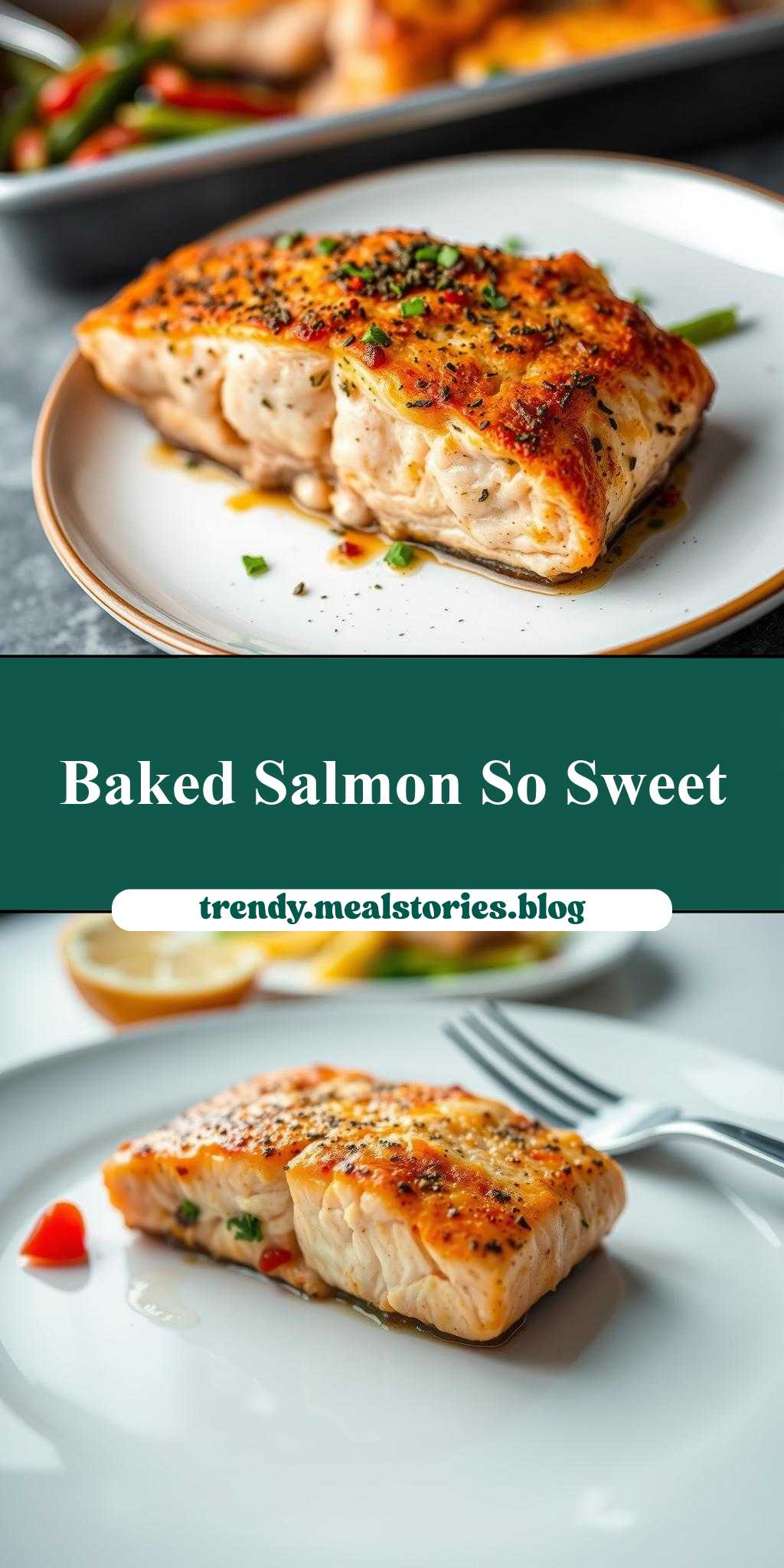
What makes the perfect weeknight dinner recipe? For me, it’s a quick and easy baked salmon dish that’s loaded with fresh lemon and herbs, all on the table in under 30 minutes. With this homemade favorite, you can enjoy a delicious family dinner any night of the week. Try making it with olive oil and parmesan for added flavor. Save this idea for your next easy weeknight meal.
Baked Salmon Recipe
Introduction
This baked salmon recipe is a testament to the magic that happens when simplicity meets flavor. With just a few everyday ingredients, you can create a dish that’s not only mouth-wateringly delicious but also impressively easy to prepare. The beauty of this recipe lies in its ability to balance flavors, textures, and presentation, making it perfect for both weeknight dinners and special occasions. Whether you’re a seasoned chef or a culinary newbie, this recipe is sure to become a favorite, thanks to its ease, flexibility, and the undeniable allure of a perfectly baked salmon fillet.
Why This Works
- Flavor balance and ingredient accessibility: This recipe strikes a perfect balance between savory, sweet, and tangy, using ingredients that are readily available in most supermarkets.
- Ease of preparation: The steps are straightforward, requiring minimal prep time and effort, making it an ideal choice for busy days.
- Impressive results with minimal effort: Despite its simplicity, the dish presents beautifully and tastes sophisticated, ensuring you’ll impress your family and friends with minimal fuss.
Key Ingredients
The star of the show is, of course, the salmon fillet, preferably wild-caught for the best flavor and texture. You’ll also need olive oil, lemon juice, garlic, salt, pepper, and your choice of herbs (such as dill, thyme, or parsley). For added flavor, consider including some sliced onions and bell peppers to bake alongside the salmon. Practical substitutions can include using lime juice instead of lemon or swapping garlic for shallots, depending on your taste preferences.
Instructions
- Step 1: Preheat your oven to 400°F (200°C). While the oven is heating up, prepare your salmon fillet by rinsing it under cold water, patting it dry with a paper towel, and placing it on a baking sheet lined with parchment paper.
- Step 2: Drizzle the olive oil over the salmon, making sure it’s evenly coated. Then, sprinkle minced garlic over the top of the salmon, followed by a squeeze of fresh lemon juice. Season with salt, pepper, and your chosen herbs.
- Step 3: If using, arrange sliced onions and bell peppers around the salmon on the baking sheet. This not only adds flavor but also creates a visually appealing dish.
- Step 4: Bake the salmon in the preheated oven for about 12-15 minutes per pound, or until it reaches an internal temperature of 145°F (63°C). Remove from the oven and let it rest for a few minutes before serving. You can serve the salmon as is, or with your choice of sides, such as roasted vegetables, quinoa, or a fresh salad.
Handy Tips
- Always check the salmon for bones before serving, and consider using a fish with a higher fat content (like king or sockeye salmon) for a more moist and flavorful result.
- Don’t overcrowd the baking sheet, as this can affect the cooking time and quality of the salmon. If necessary, cook the salmon fillets in batches.
- For an extra crispy skin, bake the salmon under the broiler for an additional 1-2 minutes after cooking. Keep a close eye to avoid burning.
Heat Control
Maintaining the right temperature is crucial for achieving perfectly cooked salmon. Ensure your oven is preheated to the correct temperature, and use a food thermometer to check the internal temperature of the salmon. It should reach 145°F (63°C) for food safety and optimal flavor. Cooking time will vary based on the thickness of the salmon fillet, so adjust the baking time accordingly.
Crunch Factor
The crunch factor in this recipe can come from the crispy skin of the salmon, achieved by broiling it for a short time after baking, or from the caramelized onions and bell peppers that bake alongside it. For an extra crunchy element, consider topping the salmon with toasted almonds or pistachios before serving.
Pro Kitchen Tricks
- Use a cast-iron skillet or oven-safe pan to bake the salmon, as these retain heat well and can be used to serve the dish straight from the oven.
- For easier cleanup, line your baking sheet with aluminum foil or parchment paper before adding the salmon and vegetables.
- Marinate the salmon in your favorite seasonings for 30 minutes to an hour before baking for an intensified flavor profile.
Storage Tips
- Leftover salmon can be stored in an airtight container in the refrigerator for up to 3 days. Reheat gently in the oven or microwave until warmed through.
- Consider freezing cooked salmon for future meals, such as in salads or sandwiches. It’s best to freeze it in portions to make thawing and reheating more convenient.
- When storing, make sure the salmon is cooled completely before refrigerating or freezing to prevent bacterial growth and foodborne illness.
Gift Packaging Ideas
While baked salmon is typically consumed fresh, the concept of gifting can apply to the ingredients or a salmon-themed gift basket. Consider packaging fresh herbs, specialty olive oils, or artisanal spices in decorative jars or bags, accompanied by a printed recipe card for this baked salmon dish. Alternatively, a beautifully presented salmon fillet, ready to be baked, can be a unique and thoughtful gift for any food enthusiast.
Flavor Variations
- Different spices: Experiment with various spice blends, such as Asian-inspired ginger and soy sauce, or Mediterranean with oregano and feta cheese.
- Creative toppings: Add some heat with diced jalapeños, or go for a refreshing twist with a dollop of yogurt and some chopped fresh dill.
- Ingredient swaps: Substitute the salmon with another fish like cod or tilapia for a different texture and flavor, or use different types of citrus like lime or orange for the marinade.
Troubleshooting
- Texture problems: If the salmon turns out too dry, it may have been overcooked. Adjust the cooking time based on the thickness of the fillet and aim for a moist, flaky texture.
- Ingredient replacements: If you’re out of a particular herb or spice, don’t hesitate to substitute with something similar. The key is to maintain a balance of flavors.
- Over/undercooking signs: Undercooked salmon will appear raw and translucent, while overcooked salmon will be dry and flake apart excessively. Use a thermometer and visual cues to determine doneness.
FAQs
- Can I freeze it? Yes, cooked salmon can be frozen for later use. Cool it completely, then portion it into airtight containers or freezer bags, and store in the freezer for up to 3 months.
- Is it gluten-free? This recipe is naturally gluten-free, making it a great option for those with gluten intolerance or sensitivity.
- Can I double the recipe? Absolutely, this recipe can be easily doubled or tripled to feed a larger crowd. Just ensure you have enough space on your baking sheet and adjust the cooking time if necessary.
Conclusion
In conclusion, this baked salmon recipe is a versatile and delicious addition to any meal repertoire. Its simplicity, coupled with the potential for creative variations, makes it a standout dish for both beginners and experienced cooks. Whether you’re cooking for one or a crowd, this recipe promises to deliver on flavor, presentation, and satisfaction. Feel free to experiment with different seasonings and ingredients to make the dish your own, and don’t hesitate to share your creations with friends and family. Happy cooking, and bon appétit!
Baked Salmon Recipe
A simple and flavorful recipe for baked salmon, perfect for any occasion.
🥘 Ingredients
👩🍳 Instructions
-
1Preheat the oven to 400°F (200°C).
-
2Prepare the salmon fillets and place them on a baking sheet lined with parchment paper.
-
3Drizzle the olive oil over the salmon, then sprinkle with garlic, lemon juice, and dill weed. Season with salt and pepper to taste.
-
4Bake the salmon in the preheated oven for 12-15 minutes per pound, or until it reaches an internal temperature of 145°F (63°C).