
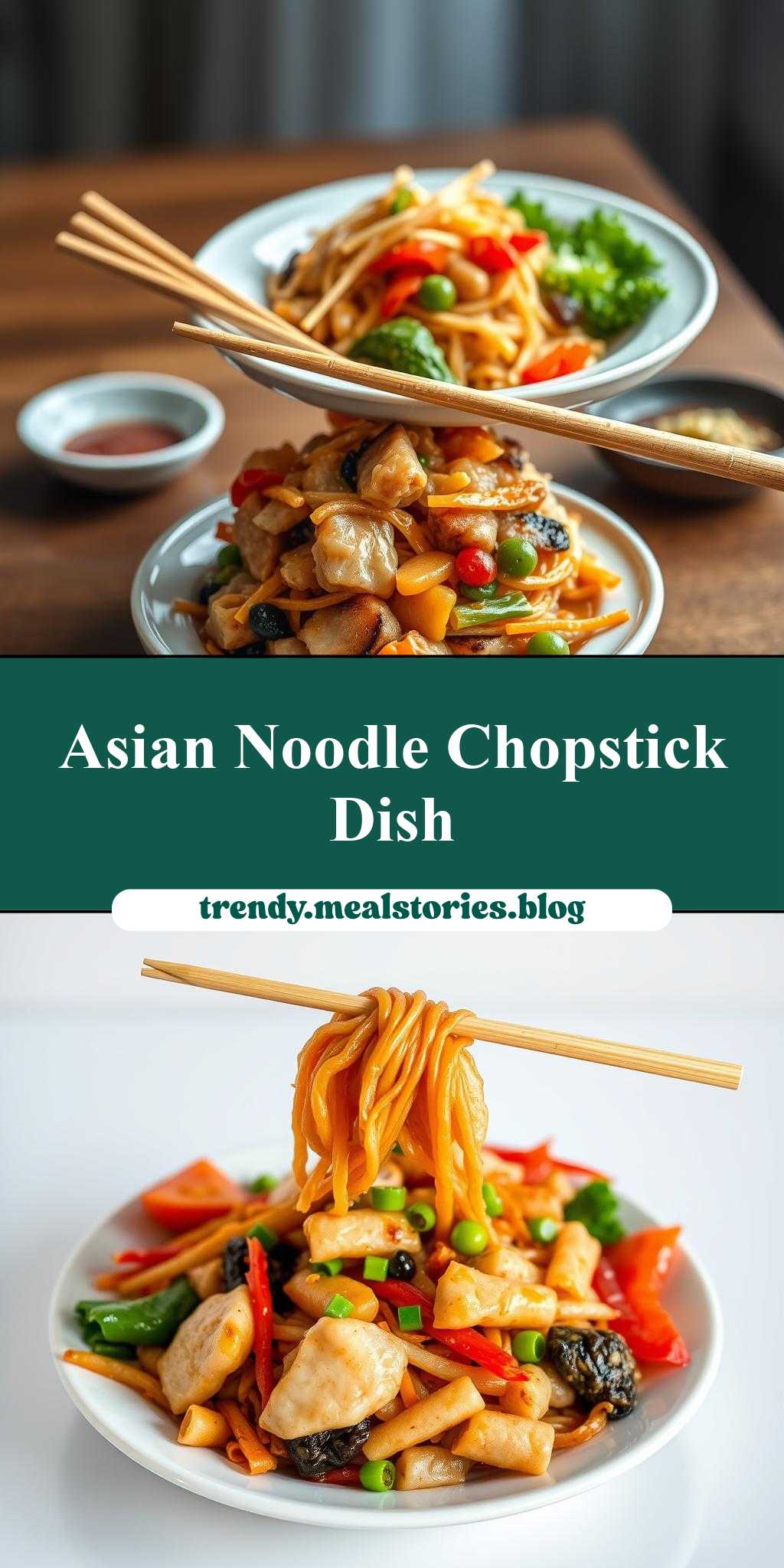
What makes the perfect weeknight dinner? For me, it’s a delicious homemade stir fry with tender chicken and crunchy veggies, all made easy with quick cooking methods. Save this idea for a simple family favorite meal to try soon.
two plates filled with food and chopsticks on top of each other in front of the
Introduction
The art of presenting a meal is just as important as the taste and aroma of the dish itself. When we think of “two plates filled with food and chopsticks on top of each other in front of the,” we’re not just talking about a meal, we’re talking about an experience. This setup, often found in Asian-inspired dining, is not just about the food, but about the culture, the tradition, and the community that comes with sharing a meal. In this article, we’ll delve into the world of creating a stunning and delicious meal that fits this description, focusing on ease, flavor, and creativity using everyday ingredients.
Why This Works
- Flavor balance and ingredient accessibility: The combination of flavors and textures in a well-crafted Asian-inspired meal is unparalleled. By using accessible ingredients and simple techniques, anyone can create a dish that’s both familiar and exotic.
- Ease of preparation: Despite the intricate presentation, the dishes often served in this manner are surprisingly easy to prepare. With a few key ingredients and some basic cooking techniques, you can create a meal that looks and tastes like it was made by a professional chef.
- Impressive results with minimal effort: The beauty of this setup lies in its simplicity. By focusing on a few high-quality ingredients and simple cooking methods, you can create a meal that’s sure to impress your guests without spending hours in the kitchen.
Key Ingredients
When it comes to creating a meal that fits this description, there are a few key ingredients that you’ll want to have on hand. These include:
– Protein sources like chicken, beef, or tofu
– A variety of colorful vegetables like bell peppers, carrots, and snap peas
– Whole grains like rice or noodles
– Flavorful sauces and seasonings like soy sauce, ginger, and garlic
– Fresh herbs like cilantro or basil for garnish
You can also use practical substitutions where relevant, such as swapping out chicken for shrimp or using different types of noodles.
Instructions
- Step 1: Begin by preparing your ingredients. Chop your vegetables, cook your protein, and prepare your grains according to your recipe.
- Step 2: Cook or mix the base ingredients. This could involve stir-frying your vegetables and protein, cooking your noodles, or preparing a flavorful sauce.
- Step 3: Layer flavors or textures. This could involve adding aromatics like ginger and garlic to your dish, mixing in sauces or seasonings, or adding crunchy toppings like nuts or seeds.
- Step 4: Final touches and plating. This is where you get to be creative and make your dish look beautiful. Use chopsticks to add a decorative touch, and don’t be afraid to get creative with your garnishes and presentation.
Handy Tips
- Use high-quality ingredients to ensure the best flavor and texture in your dish.
- Don’t be afraid to experiment and try new things – it’s all part of the fun of cooking!
- Consider using a variety of colors and textures to make your dish visually appealing.
Heat Control
If you’re cooking your ingredients, it’s essential to have control over the heat. This could involve using a thermometer to ensure that your oil is at the right temperature, or adjusting the heat on your stovetop to prevent burning or undercooking. For most stir-fries, you’ll want to aim for a medium-high heat, while noodle dishes may require a lower heat to prevent overcooking.
Crunch Factor
The crunch factor is essential in many Asian-inspired dishes, and can be achieved through the use of crunchy vegetables, nuts, or seeds. To add crunch to your dish, try adding ingredients like chopped bell peppers, sliced almonds, or toasted sesame seeds. You can also use cooking techniques like stir-frying or roasting to bring out the natural crunch of your ingredients.
Pro Kitchen Tricks
- Use a wok or large skillet to cook your ingredients quickly and evenly.
- Prepare your ingredients in advance to make cooking faster and more efficient.
- Don’t be afraid to get creative and try new things – it’s all part of the fun of cooking!
Storage Tips
- Store leftovers in airtight containers to keep them fresh and prevent spoilage.
- Consider using glass or plastic containers that can be reheated in the microwave or oven.
- Label and date your leftovers so you know what you have and how long it’s been stored.
Gift Packaging Ideas
If you’re looking to give your dish as a gift, consider packaging it in a beautiful and functional container. You could use a decorative bowl or plate, or opt for a more practical container like a microwave-safe glass dish. Add a decorative touch with garnishes like fresh herbs or edible flowers, and don’t forget to include a personalized note or card.
Flavor Variations
- Try using different spices or seasonings to give your dish a unique flavor. Some options might include curry powder, chili flakes, or ground ginger.
- Add creative toppings like nuts, seeds, or pickled vegetables to give your dish added texture and flavor.
- Swap out ingredients to create a new and exciting dish. For example, you could use shrimp instead of chicken, or try using different types of noodles or grains.
Troubleshooting
- Texture problems: If your dish is too dry or too wet, try adjusting the amount of sauce or seasoning you’re using. You could also add ingredients like nuts or seeds to add texture and crunch.
- Ingredient replacements: If you’re missing an ingredient or want to try something new, don’t be afraid to get creative and substitute with something else. Just be sure to adjust the cooking time and method accordingly.
- Over/undercooking signs: Keep an eye on your dish while it’s cooking, and adjust the heat or cooking time as needed. If you’re unsure whether your ingredients are cooked through, try using a thermometer or checking for visual signs like browning or tenderizing.
FAQs
- Can I freeze it? Yes, many Asian-inspired dishes can be frozen for later use. Just be sure to store them in airtight containers and label them with the date and contents.
- Is it gluten-free? Many Asian-inspired dishes are naturally gluten-free, but be sure to check the ingredients and cooking methods to ensure that your dish is safe for those with gluten intolerance or sensitivity.
- Can I double the recipe? Yes, most recipes can be easily doubled or tripled to feed a larger crowd. Just be sure to adjust the cooking time and method accordingly, and use a larger container or cooking vessel if needed.
Conclusion
In conclusion, creating a meal that fits the description of “two plates filled with food and chopsticks on top of each other in front of the” is easier than you might think. With a few key ingredients, some basic cooking techniques, and a bit of creativity, you can create a dish that’s both delicious and visually stunning. Don’t be afraid to experiment and try new things, and don’t hesitate to reach out if you have any questions or need further guidance. Happy cooking!
two plates filled with food and chopsticks on top of each other in front of the
A delicious and visually stunning Asian-inspired meal, featuring a variety of colorful vegetables, whole grains, and flavorful sauces.
🥘 Ingredients
👩🍳 Instructions
-
1Heat oil in a pan over medium-high heat.
-
2Add chicken and cook until browned, about 5-7 minutes.
-
3Add mixed vegetables and cook until tender, about 3-5 minutes.
-
4Stir in soy sauce, ginger, and garlic powder, and cook for an additional 1-2 minutes.
-
5Serve over cooked rice and garnish with chopped green onions and sesame seeds.