
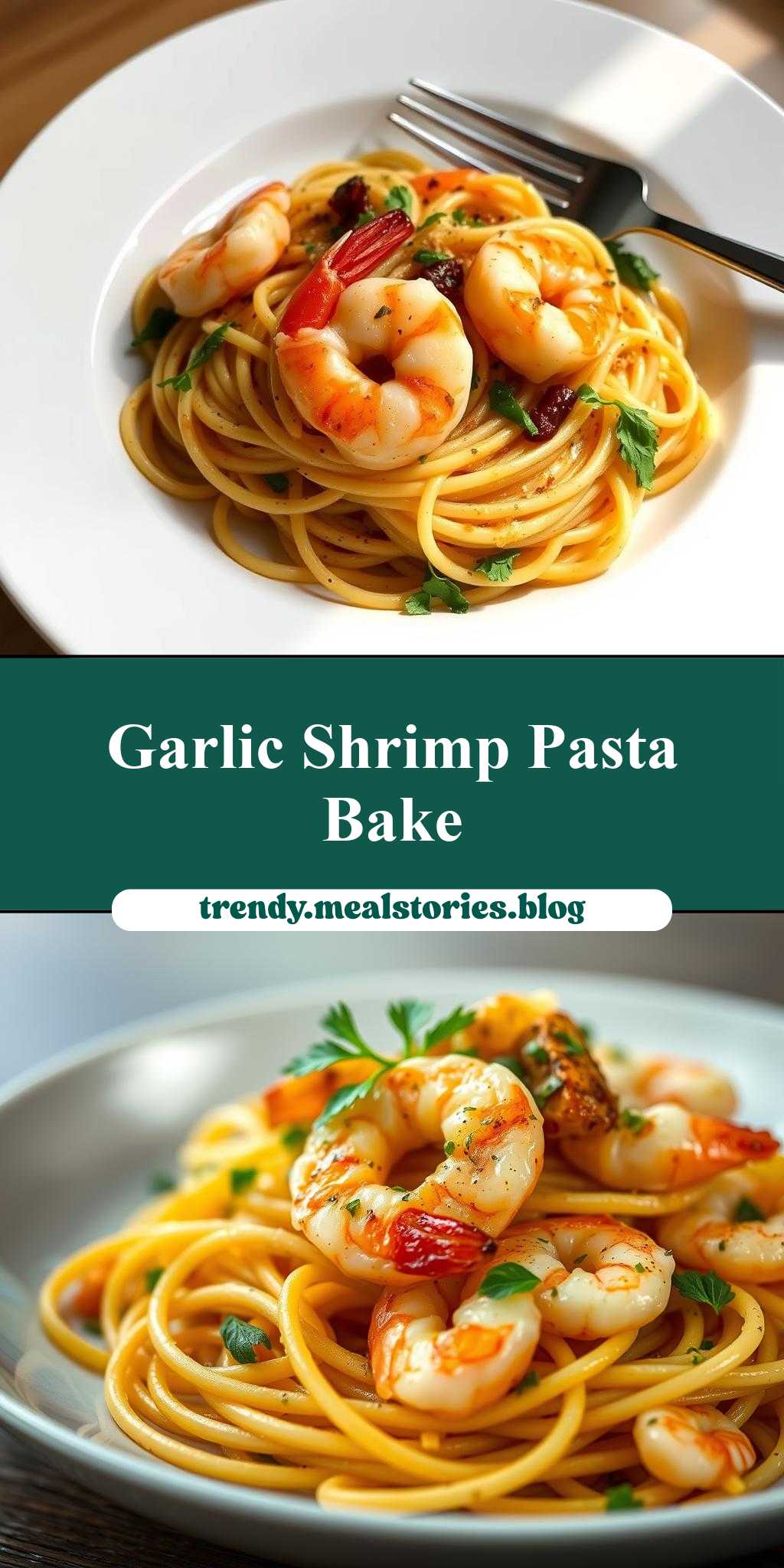
What sets your taste buds ablaze like a perfectly cooked garlic shrimp pasta on a weeknight dinner rush? This easy homemade recipe combines succulent shrimp with savory garlic and a hint of parmesan, all tossed in a quick and satisfying family favorite dish. Save this idea for your next instant pasta night inspiration and try it soon
Garlic Shrimp Pasta
Introduction
Imagine a dish that combines the simplicity of everyday ingredients with the elegance of a fine dining experience. Garlic Shrimp Pasta is just that – a masterpiece of flavors, textures, and aromas that will leave you and your guests in awe. This recipe is not only easy to make, requiring minimal effort for maximum impact, but it also allows for a great deal of creativity and personalization. Whether you’re a seasoned chef or a culinary beginner, Garlic Shrimp Pasta is sure to become a staple in your kitchen. With its perfect balance of succulent shrimp, al dente pasta, and a sauce that’s both rich and light, this dish is a true delight for the senses.
Why This Works
- Flavor balance and ingredient accessibility: The combination of garlic, shrimp, and pasta creates a harmonious balance of flavors that is both satisfying and easy to achieve with commonly found ingredients.
- Ease of preparation: Despite its sophisticated taste, Garlic Shrimp Pasta is surprisingly simple to prepare, making it an ideal choice for both weeknight dinners and special occasions.
- Impressive results with minimal effort: The dish yields impressive results with minimal effort, perfect for those who want to wow their family and friends without spending hours in the kitchen.
Key Ingredients
The main ingredients in Garlic Shrimp Pasta include succulent shrimp, high-quality pasta (such as linguine or fettuccine), garlic, olive oil, butter, white wine (optional), lemon juice, parsley, salt, and pepper. For practical substitutions, you can use chicken or tofu for a non-seafood version, and swap parsley with basil or dill for a different herbal note. The garlic can be adjusted to taste, and for those who prefer a lighter sauce, reducing the amount of butter or using a lighter oil is a viable option.
Instructions
- Step 1: Begin by preparing your ingredients. Peel and de-vein the shrimp, chop the garlic finely, and measure out your pasta, olive oil, butter, white wine (if using), lemon juice, parsley, salt, and pepper.
- Step 2: Cook your pasta according to the package instructions until it’s al dente. Drain and set aside. In a large skillet, heat the olive oil over medium heat. Add the chopped garlic and sauté for about 1 minute until fragrant, being careful not to burn it.
- Step 3: Add the shrimp to the skillet and cook for about 2-3 minutes per side, until they turn pink and are fully cooked.! Remove the shrimp from the skillet and set them aside on a plate. In the same skillet, add the butter. Once melted, add the white wine (if using) and lemon juice, scraping the bottom of the pan to release all the browned bits. Let the sauce simmer and reduce slightly.
- Step 4: Add the cooked pasta to the skillet, tossing it in the garlic butter sauce until well coated. Return the shrimp to the pasta, toss everything together, and season with salt, pepper, and a sprinkle of parsley. Serve immediately, garnished with additional parsley if desired.
Handy Tips
- Always use fresh and high-quality ingredients for the best flavor. For garlic, it’s best to use fresh cloves for the most potent flavor. If you’re worried about the dish being too garlicky, you can reduce the amount used or roast the garlic beforehand for a deeper, sweeter flavor.
- Don’t overcook the shrimp or pasta. Shrimp should be cooked until just pink and firm to the touch, and pasta should be al dente to retain its texture and prevent it from becoming mushy.
- For an extra burst of flavor, consider adding some diced onions, bell peppers, or mushrooms to the skillet with the garlic for added depth and texture.
Heat Control
Heat control is crucial in Garlic Shrimp Pasta. When cooking the garlic, it’s essential to keep the heat at a medium level to prevent burning. For the shrimp, a medium-high heat is ideal to achieve a nice sear without overcooking them. The sauce should simmer over low-medium heat to reduce slightly and thicken, ensuring it coats the pasta and shrimp evenly. Always check for doneness by looking at the color and texture of the shrimp and the consistency of the sauce.
Crunch Factor
The crunch factor in Garlic Shrimp Pasta comes from the texture of the al dente pasta and the slight crispiness of the sautéed garlic and possibly added vegetables. To achieve this, ensure that you don’t overcook the pasta, and sauté the garlic and any vegetables just until they start to soften but still retain some crunch. This texture contrast adds depth and enjoyment to the dish.
Pro Kitchen Tricks
- Use a mixture of olive oil and butter for sautéing. The olive oil can handle high heat, while the butter adds flavor and richness to the dish.
- Don’t overcrowd the skillet when cooking the shrimp. Cook them in batches if necessary, to ensure they have enough room to cook evenly and prevent them from steaming instead of searing.
- For easier cleanup, prepare all your ingredients before starting to cook, and wipe down your workstation as you go. This will prevent clutter and make the cooking process more enjoyable.
Storage Tips
- Leftover Garlic Shrimp Pasta can be stored in an airtight container in the refrigerator for up to 2 days. Reheat it gently over low heat, adding a bit of water or white wine if the sauce has thickened too much.
- For longer storage, consider freezing the cooked pasta and shrimp separately. When you’re ready to eat it, thaw overnight in the fridge, then reheat the pasta in boiling water for a minute and combine it with the reheated shrimp and sauce.
- Always use shallow containers for cooling and storage to prevent bacterial growth and to cool the dish quickly and safely.
Gift Packaging Ideas
While Garlic Shrimp Pasta is best served fresh, if you’re looking to gift a related item, consider packaging a mix of dried pasta, garlic powder, and dried herbs in a decorative jar with a recipe card. Alternatively, gift a bottle of good quality olive oil or a block of high-end butter with a note suggesting its use in Garlic Shrimp Pasta. For a more substantial gift, cook the dish, let it cool, and then package it in microwave-safe containers that can be reheated at the recipient’s convenience.
Flavor Variations
- Different spices: Add some red pepper flakes for a spicy kick, or use smoked paprika for a smoky depth.
- Creative toppings: Top your Garlic Shrimp Pasta with toasted pine nuts, grated Parmesan cheese, or a dollop of sour cream for added flavor and texture.
- Ingredient swaps: Use scallops or chicken instead of shrimp for a different protein, or substitute the pasta with zucchini noodles for a low-carb version.
Troubleshooting
- Texture problems: If your pasta is mushy, it was overcooked. For tough or rubbery shrimp, they might have been overcooked or not fresh. Adjust your cooking times and ingredient quality accordingly.
- Ingredient replacements: If you can’t find certain ingredients, look for substitutes that offer similar textures and flavors. For example, if shrimp is not available, scallops or fish could work as alternatives.
- Over/undercooking signs: Shrimp that are overcooked will be tough and rubbery, while undercooked shrimp will not have turned fully pink. Pasta that’s overcooked will be mushy, and undercooked pasta will be hard in the center.
FAQs
- Can I freeze it? Yes, you can freeze Garlic Shrimp Pasta, but it’s best to freeze the components separately (pasta, shrimp, and sauce) for easier reheating and to prevent texture changes.
- Is it gluten-free? Traditional pasta is not gluten-free, but you can easily make this dish gluten-free by substituting the pasta with gluten-free alternatives made from rice, quinoa, or corn.
- Can I double the recipe? Yes, you can double or even triple the recipe for larger groups. Just ensure you have a large enough skillet to cook the shrimp and pasta in batches if necessary, to prevent overcrowding.
Conclusion
Garlic Shrimp Pasta is a versatile and delicious dish that can elevate any meal into a special occasion. With its rich flavors, easy preparation, and the potential for countless variations, it’s a recipe that will quickly become a favorite. Whether you’re cooking for yourself, your family, or a crowd, Garlic Shrimp Pasta is sure to impress. So go ahead, get creative, and enjoy the process of cooking and sharing this wonderful dish with others.
Garlic Shrimp Pasta
A delicious and easy-to-make pasta dish featuring garlic shrimp, perfect for any occasion.
🥘 Ingredients
👩🍳 Instructions
-
1Cook pasta according to package instructions until al dente.
-
2In a large skillet, heat olive oil over medium heat. Add minced garlic and sauté for 1 minute.
-
3Add shrimp to the skillet and cook for 2-3 minutes per side, until pink and fully cooked.
-
4Remove shrimp from the skillet and set aside. Add butter, white wine (if using), and lemon juice to the skillet. Simmer until the sauce is slightly reduced.
-
5Add cooked pasta to the skillet, tossing it in the garlic butter sauce. Return shrimp to the pasta, toss everything together, and season with salt, pepper, and parsley.