
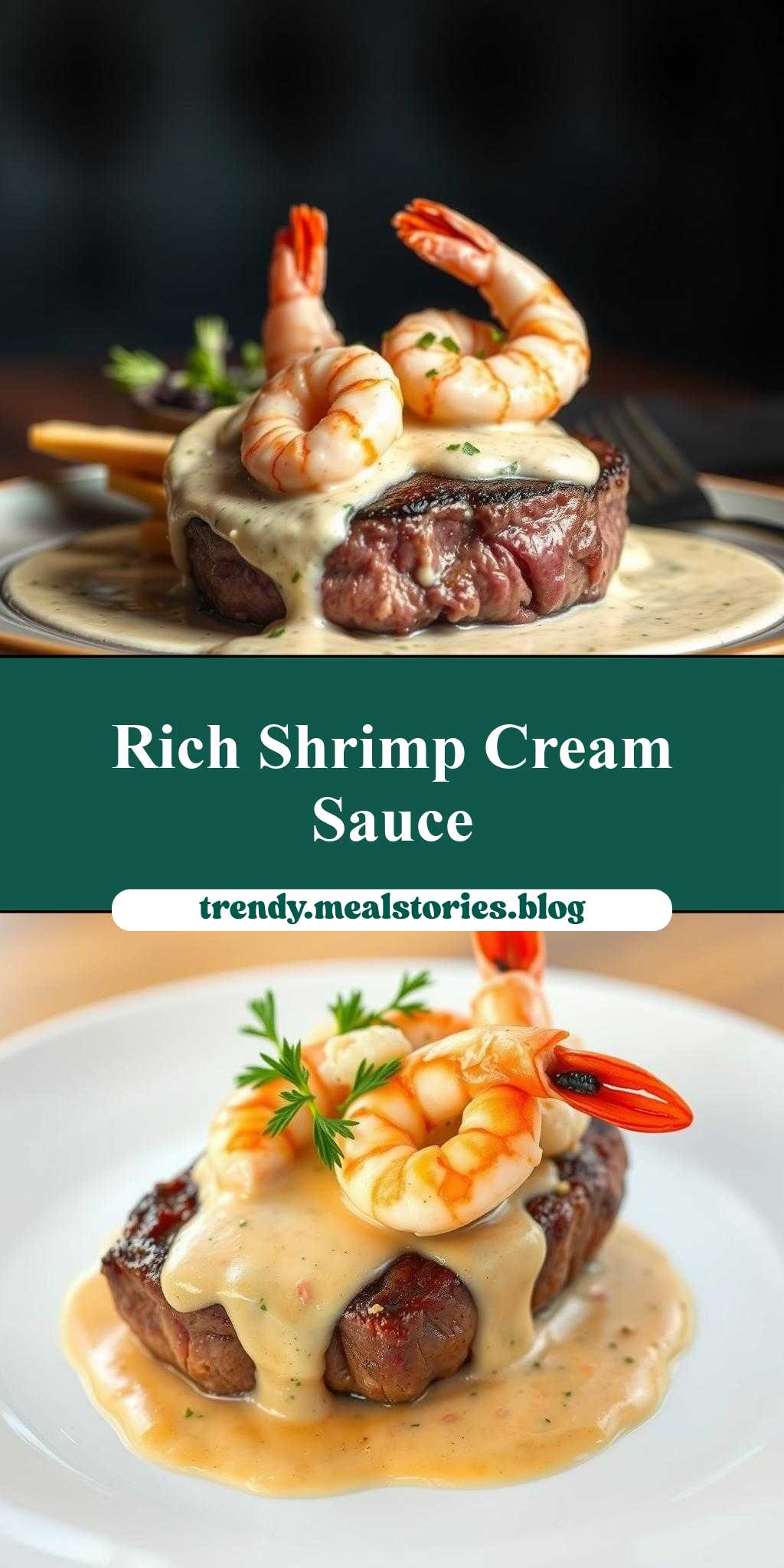
What a difference a rich lobster cream sauce can make – especially when paired with tender filet mignon and succulent shrimp. This easy weeknight dinner recipe is a homemade twist on a fancy restaurant favorite, featuring pan-seared goodness and a decadent creamy sauce. Save this idea for a special occasion or a quick family favorite meal to try soon
Filet Mignon Topped with Shrimp and Lobster Cream Sauce
Introduction
This exquisite dish, Filet Mignon Topped with Shrimp and Lobster Cream Sauce, is a culinary masterpiece that combines the tender richness of filet mignon with the succulent flavors of shrimp and lobster, all enveloped in a decadent cream sauce. What makes this recipe truly special is its accessibility; despite its luxurious ingredients, it can be prepared with ease using everyday cooking techniques and readily available ingredients. The balance of flavors and textures is nothing short of impressive, making it perfect for special occasions or a fancy dinner party. With a little creativity, you can turn a simple evening into an unforgettable dining experience.
Why This Works
- Flavor balance and ingredient accessibility: The combination of filet mignon, shrimp, and lobster creates a harmonious balance of flavors, while the use of common cooking techniques makes it accessible to cooks of all levels.
- Ease of preparation: Despite its sophisticated appearance, this dish is surprisingly easy to prepare. The steps are straightforward, and with some basic kitchen skills, anyone can achieve a restaurant-quality result.
- Impressive results with minimal effort: The key to this recipe’s success lies in its simplicity. With a few quality ingredients and some basic cooking techniques, you can create a dish that is sure to impress your guests without spending hours in the kitchen.
Key Ingredients
The main ingredients in this recipe include filet mignon, shrimp, lobster meat, garlic, shallots, heavy cream, butter, and a variety of herbs and spices. For the filet mignon, look for tender and lean cuts. Fresh shrimp and lobster meat are essential for the best flavor, but frozen alternatives can be used if fresh is not available. Garlic and shallots add a depth of flavor, while heavy cream and butter enrich the sauce. Practical substitutions can be made with other types of fish or seafood for the shrimp and lobster, and vegetable or chicken broth can be used to lighten the cream sauce.
Instructions
- Step 1: Begin by preheating your oven to 400°F (200°C). Season the filet mignon with salt, pepper, and your choice of herbs. Let it sit at room temperature for about 30 minutes before cooking to ensure even cooking.
- Step 2: In a hot skillet, add a tablespoon of olive oil and sear the filet mignon on all sides until browned, then finish cooking it in the oven to your desired level of doneness. While the filet is cooking, prepare the shrimp and lobster by sautéing them in butter until they are lightly cooked and set aside.
- Step 3: To make the cream sauce, sauté garlic and shallots in butter until softened, then add heavy cream and bring to a simmer. Let it cook until the sauce has thickened slightly, then stir in the cooked shrimp and lobster meat. Season with salt, pepper, and any additional herbs or spices you prefer.
- Step 4: To serve, place the cooked filet mignon on a plate, spoon the shrimp and lobster cream sauce over the top, and garnish with fresh herbs or microgreens. This dish is best served immediately, while the sauce is warm and the filet mignon is at its most tender.
Handy Tips
- When cooking filet mignon, use a meat thermometer to ensure it reaches your desired level of doneness. For medium-rare, the internal temperature should be around 130°F to 135°F (54°C to 57°C).
- Don’t overcook the shrimp and lobster, as they can become tough and rubbery. They should be cooked just until they are opaque and firm to the touch.
- For a lighter version of the cream sauce, you can substitute some of the heavy cream with chicken or vegetable broth. Additionally, using less butter or substituting it with a healthier alternative can also reduce the calorie count.
Heat Control
Heat control is crucial in this recipe, especially when cooking the filet mignon and the seafood. For the filet, searing it in a hot skillet and then finishing it in the oven ensures a nice crust on the outside and a tender interior. When cooking the shrimp and lobster, medium heat is ideal to prevent them from cooking too quickly on the outside before they are fully cooked through. The cream sauce should be simmered over low to medium heat to prevent it from boiling over or separating.
Crunch Factor
The crunch factor in this dish comes from the slight char on the filet mignon from searing it in the skillet and the freshness of any garnishes used, such as microgreens or chopped herbs. To enhance the texture, you could also add some toasted breadcrumbs or chopped nuts to the dish, although this is optional and depends on personal preference.
Pro Kitchen Tricks
- One of the best tricks for achieving a perfect filet mignon is to not press down on it with your spatula while it’s searing. This can squeeze out juices and make the meat tough.
- For an extra rich cream sauce, reduce the heavy cream slightly before adding the shrimp and lobster. This concentrates the flavors and creates a thicker, more luxurious sauce.
- Using high-quality ingredients is key to the success of this dish. Fresh seafood and good cuts of meat make all the difference in the flavor and texture of the final product.
Storage Tips
- Leftovers can be stored in the refrigerator for up to 2 days. It’s best to store the filet mignon and the cream sauce separately to prevent the meat from becoming soggy.
- Reheating should be done gently to prevent the sauce from separating. Microwave-safe containers can be used, but heating it over low heat on the stovetop or in the oven is preferable.
- The shelf life of this dish is limited due to the seafood ingredients. Always check the leftovers for any signs of spoilage before consuming them.
Gift Packaging Ideas
While this dish is typically served fresh, components of it can be packaged as gifts. For example, you could prepare the cream sauce ahead of time and package it in decorative jars with instructions on how to serve it with cooked filet mignon and seafood. Alternatively, a gift basket filled with the ingredients needed to make the dish, along with a recipe card, could be a unique and thoughtful present for a foodie friend.
Flavor Variations
- Different spices: Adding a pinch of cayenne pepper or red pepper flakes can give the dish a spicy kick, while lemon zest or lemon juice can add a bright, citrusy flavor.
- Creative toppings: In addition to the shrimp and lobster cream sauce, you could top the filet mignon with sautéed mushrooms, caramelized onions, or a sprinkle of grated cheese for added flavor and texture.
- Ingredient swaps: For a vegetarian or vegan version, you could substitute the filet mignon with a portobello mushroom or a tofu steak, and use a non-dairy cream alternative in the sauce.
Troubleshooting
- Texture problems: If the filet mignon turns out tough, it may have been overcooked. If the cream sauce is too thin, you can simmer it for a few more minutes to reduce it. If it’s too thick, a little bit of broth or water can be added to thin it out.
- Ingredient replacements: If you can’t find lobster meat, you could substitute it with additional shrimp or another type of seafood like scallops. For the filet mignon, a similar cut of beef like ribeye or sirloin could be used, though the cooking time may vary.
- Over/undercooking signs: The filet mignon should feel firm to the touch when it’s cooked to medium-rare. If it feels soft, it’s undercooked, and if it feels hard, it’s overcooked. Shrimp and lobster should be opaque and firm to the touch when cooked through.
FAQs
- Can I freeze it? Yes, components of the dish can be frozen. The cream sauce can be frozen for up to 3 months, and the cooked filet mignon can be frozen for up to 2 months. However, freezing can affect the texture of the seafood, so it’s best consumed fresh.
- Is it gluten-free? This recipe is naturally gluten-free, making it a great option for those with gluten intolerance. However, always check the ingredients of any store-bought broths or sauces used to ensure they are gluten-free.
- Can I double the recipe? Yes, the recipe can be easily doubled or tripled to serve a larger crowd. Just keep in mind that cooking time may be slightly longer for larger quantities of filet mignon.
Conclusion
In conclusion, Filet Mignon Topped with Shrimp and Lobster Cream Sauce is a dish that embodies luxury and sophistication without requiring excessive complexity or rare ingredients. It’s a perfect recipe for special occasions or for anyone looking to elevate their dining experience. With its rich flavors, tender textures, and the potential for creative variations, this dish is sure to impress. Don’t be afraid to experiment and make it your own, and remember, the key to a successful dish is not just in the ingredients, but in the love and care with which it’s prepared.
Filet Mignon Topped with Shrimp and Lobster Cream Sauce
A luxurious dish combining tender filet mignon with succulent shrimp and lobster in a rich cream sauce, perfect for special occasions or fancy dinner parties.
🥘 Ingredients
👩🍳 Instructions
-
1Preheat the oven to 400°F (200°C).
-
2Season the filet mignon with salt, pepper, and herbs. Sear in a hot skillet and finish cooking in the oven to desired doneness.
-
3Sauté the shrimp and lobster in butter until lightly cooked, then set aside.
-
4Make the cream sauce by sautéing garlic and shallots in butter, then adding heavy cream and simmering until slightly thickened. Stir in the cooked shrimp and lobster. Season with salt, pepper, and herbs.
-
5Serve the filet mignon topped with the shrimp and lobster cream sauce, garnished with fresh herbs.