
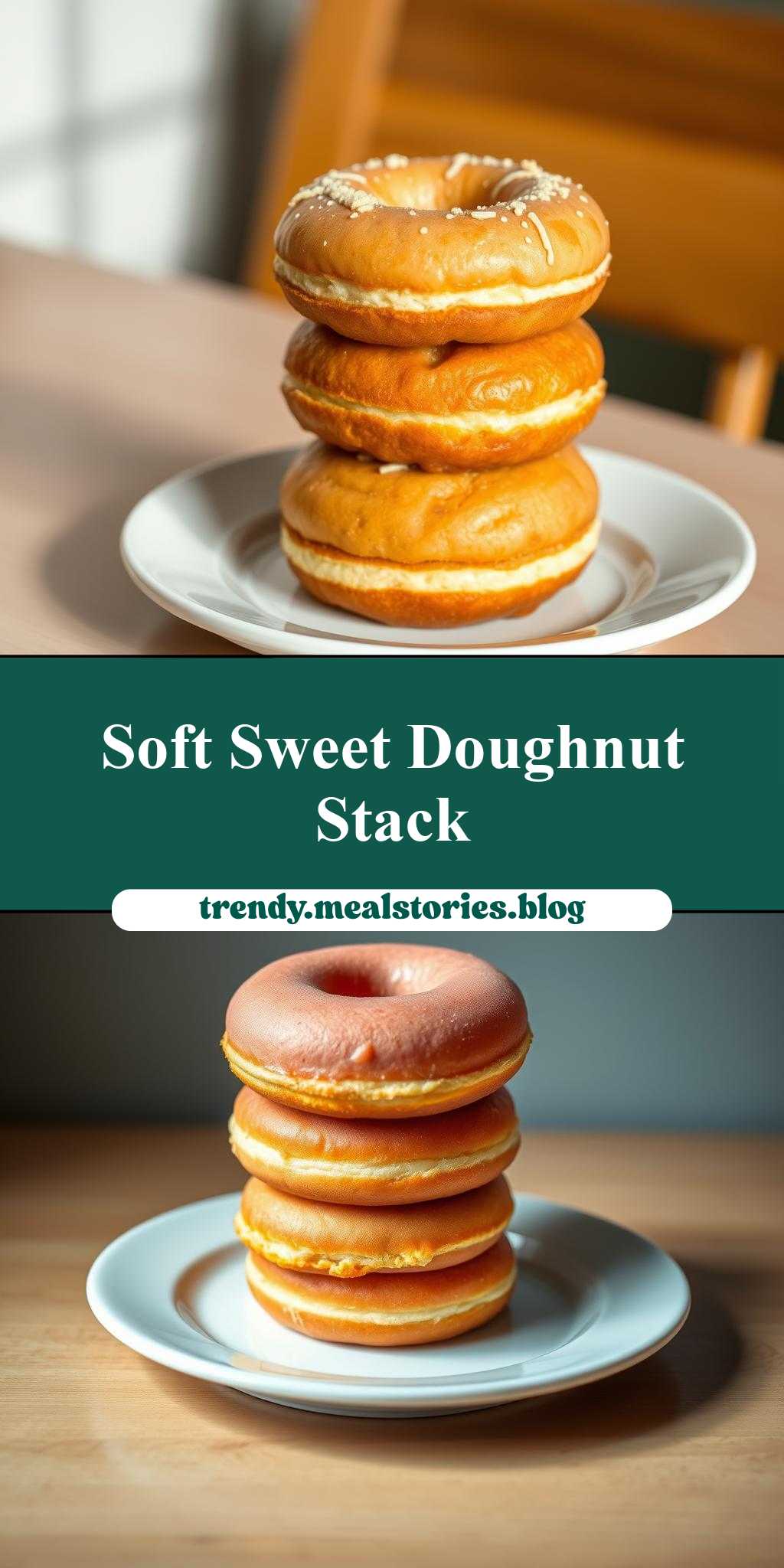
What makes the perfect doughnut stack? It’s all about the soft and fluffy texture, achieved with simple homemade yeast dough and a quick frying method. Save this idea for your next family favorite breakfast treat, perfect for easy weeknight dinners turned into a sweet surprise, try it soon
a stack of doughnuts sitting on top of a white plate next to each other
Introduction
Imagine the delight of biting into a soft, fluffy doughnut, the sweetness of the glaze or the sprinkles on top, and the joy of sharing this treat with friends and family. Creating a stack of doughnuts sitting on top of a white plate next to each other is not just about baking; it’s about crafting a moment of pure bliss. This recipe is all about ease, flavor, and creativity, using everyday ingredients to make something truly special. Whether you’re a seasoned baker or just starting out, this guide will walk you through the simple steps to create a stunning and delicious stack of doughnuts that will impress anyone.
Why This Works
- Flavor balance and ingredient accessibility: The combination of yeast, sugar, and flour creates a perfect balance of flavors, and the ingredients are easily found in any grocery store.
- Ease of preparation: Despite the initial intimidation, making doughnuts is surprisingly straightforward, requiring minimal special equipment.
- Impressive results with minimal effort: The end result is a beautifully stacked presentation of doughnuts that looks like it came from a professional bakery, with much less effort than you might expect.
Key Ingredients
The main ingredients for this recipe include all-purpose flour, granulated sugar, active dry yeast, salt, whole milk, eggs, and vegetable oil for frying. For the glaze, you’ll need powdered sugar and milk. Practical substitutions include using almond milk for a dairy-free option or substituting granulated sugar with honey in the dough for a slightly different flavor profile. Note that using high-quality ingredients, especially the yeast, will significantly impact the final texture and taste of your doughnuts.
Instructions
- Step 1: Begin by activating the yeast in warm milk, then combine flour, sugar, and salt in a mixing bowl. Add eggs and the yeast mixture to the dry ingredients and mix!until a smooth dough forms. Knead the dough for about 10 minutes until it becomes elastic and smooth.
- Step 2: Place the dough in a greased bowl, cover it, and let it rise in a warm place for about an hour, or until it has doubled in size. Once risen, punch down the dough and use a doughnut cutter or a glass to cut out the doughnuts. Let them rise for another 30-45 minutes.
- Step 3: Heat the vegetable oil in a deep frying pan to about 350°F. Fry the doughnuts for 1-2 minutes on each side, or until they are golden brown. Use a thermometer to ensure the oil is at the right temperature, as this is crucial for the doughnuts to cook properly and not absorb too much oil.
- Step 4: For the final touches, prepare the glaze by mixing powdered sugar and milk until smooth. Dip the cooled doughnuts in the glaze, or drizzle it over them. You can also add sprinkles or other toppings before the glaze sets. To create the stack, start with a large doughnut at the bottom and balance smaller ones on top, using a dab of glaze to hold them in place if necessary.
Handy Tips
- Always use room temperature ingredients for better dough consistency. If you find your dough too sticky, add a bit more flour. If it’s too dry, add a bit more milk.
Heat Control
Heat control is crucial when frying the doughnuts. The ideal temperature for frying doughnuts is between 350°F and 375°F. If the oil is too hot, the doughnuts will burn on the outside before they are fully cooked on the inside. If it’s too cool, they will absorb too much oil and be greasy. Use a thermometer to monitor the temperature, and never leave frying doughnuts unattended.
Crunch Factor
The crunch factor in doughnuts comes from the frying process. To achieve the perfect crunch on the outside and softness on the inside, ensure the oil is at the right temperature and do not overcrowd the frying pan. Fry in batches if necessary, to give each doughnut enough room to cook evenly.
Pro Kitchen Tricks
- For easier cleanup, line your work surface with parchment paper before starting to knead and cut out the doughnuts.
- Use a pastry bag to pipe the glaze over the doughnuts for a more professional look.
Storage Tips
- Doughnuts are best consumed fresh, but they can be stored in an airtight container at room temperature for up to 2 days. For longer storage, consider freezing them without glaze and thawing when needed.
Gift Packaging Ideas
If you’re planning to give your stack of doughnuts as a gift, consider packaging them in a decorative box or a tall clear plastic container to show off the stack. You can tie a ribbon around the container and add a gift tag with a personal message. For a more rustic look, use a paper bag and twine, adding a few fresh flowers on top for a charming touch.
Flavor Variations
- Different spices: Try adding a pinch of nutmeg or cinnamon to the dough for a unique flavor twist.
- Creative toppings: Instead of the traditional glaze, top your doughnuts with chocolate shavings, chopped nuts, or shredded coconut.
- Ingredient swaps: Use whole wheat flour instead of all-purpose flour for a nuttier flavor, or substitute the granulated sugar with honey for a slightly healthier option.
Troubleshooting
- Texture problems: If your doughnuts turn out too dense, it might be because the yeast didn’t activate properly, or you overmixed the dough. If they’re too oily, the oil might have been too cool during frying.
- Ingredient replacements: If you’re out of an ingredient, consider what you can substitute it with. For example, if you don’t have whole milk, you can use a non-dairy milk alternative or regular milk with a tablespoon of butter or oil added to mimic the fat content.
- Over/undercooking signs: Doughnuts that are undercooked will be raw inside, while overcooked ones will be too dark and possibly burnt. Adjust your frying time based on the size of your doughnuts and the temperature of the oil.
FAQs
- Can I freeze it? Yes, you can freeze doughnuts for up to 2 months. It’s best to freeze them without glaze and thaw at room temperature when you’re ready to serve.
- Is it gluten-free? The traditional recipe includes wheat flour, making it not gluten-free. However, you can experiment with gluten-free flours, though the texture and taste might vary.
- Can I double the recipe? Yes, you can easily double or triple the recipe if you’re planning to make doughnuts for a larger crowd. Just ensure you have enough oil and space to fry them in batches if necessary.
Conclusion
Creating a stack of doughnuts sitting on top of a white plate next to each other is a fun and rewarding baking project that yields impressive results with minimal effort. With these simple steps and handy tips, you’re well on your way to becoming a doughnut master. Don’t be afraid to experiment with different flavors and toppings to make your doughnuts truly unique. Whether you’re baking for a special occasion or just a Tuesday, this recipe is sure to bring a smile to everyone’s face. So go ahead, get creative, and enjoy the process of making something truly delicious and visually appealing.
a stack of doughnuts sitting on top of a white plate next to each other
A delicious and visually appealing stack of homemade doughnuts, perfect for any occasion.
🥘 Ingredients
👩🍳 Instructions
-
1Activate yeast in warm milk.
-
2Combine dry ingredients and mix with yeast mixture and eggs.
-
3Knead the dough and let it rise.
-
4Fry the doughnuts and glaze them.
-
5Stack the doughnuts on a plate for serving.